Productized Service Software: Best Tools for Productized Agencies [2026]
Learn how to choose the ideal tech stack for selling, delivering and scaling a productized agency.

William Nzewi
In this article, you'll learn what the right tech stack for productized agencies looks like. Together we will choose the best tools so you can sell your services, deliver client projects on time and scale your business.
Productized service software is software built for agencies which sell repeatable services with fixed pricing and recurring payments.
Instead of charging by the hour or managing custom projects every time, productized agencies sell services like:
These businesses run on repeatable workflows which generic tools can't handle. Hence the need for specialized software.
It gives agencies a place to:
You can call it the operating system for a productized agency.
Traditional agencies usually run custom projects. Every client has different pricing, timelines, deliverables and workflows.
But productized agencies work differently.
They create services which are repeatable and easy to buy.
Clients subscribe to a plan. They send requests through a portal. Work moves through a repeatable process. Delivery happens continuously.
That changes what the software needs to do.
You need:
Generic tools only solve one part of the process.
That is why many agencies end up stitching together tools like:
The result is usually messy, inefficient operations and a poor client experience.
Good productized agency software connects the entire client journey.
From signup to delivery, everything runs inside one system.
The best productized agencies build their systems around three core areas:
If one part is weak or fails, operations become harder as the business grows.
For example:
The goal is to build a stack which supports the full client journey from signup to delivery to retention.
Modern productized agency software like ManyRequests is built around this exact model.
The first layer of the stack is selling the service. This includes everything a client sees before work starts.
Your software should make it easy for clients to:
Why does this matter?
A confusing signup process introduces friction. Clients leave before buying. Or they join without giving the information your team needs to start work.
A good productized service stack should include:
Productized services depend on clarity.
Clients should quickly understand:
Tools like Webflow and Framer are commonly used for service websites and landing pages.
Recurring revenue is the foundation of productized agencies.
Your software should support:
Some agencies used Stripe for this.
But many productized agency platforms now include billing directly inside the client portal which creates a smoother experience.
After signup, clients need a structured onboarding process.
This includes:
Without this step, projects stall with missing information and unclear expectations.
This is the operational core of a productized agency.
Once clients start submitting requests, your systems need to keep work organized and moving.
Many agencies struggle here.
They rely on email threads, Slack messages, spreadsheets or disconnected project management tools.
As the client count grows, things begin to break.
Good delivery software solves this with structure.
Clients should submit requests through a standard process instead of random messages.
A strong intake system helps teams:
This is especially important for unlimited service models.
A client portal gives customers one place to:
It creates a more professional experience.
The client portal has become a core part of modern productized agency software.
Your internal team also needs structure.
That includes:
Generic project management tools might help here but many agencies prefer platforms built specifically for recurring service delivery.
Productized agencies scale better when communication is async.
Instead of endless meetings, clients and teams communicate directly inside requests.
That keeps discussions connected to the actual work. It also helps teams move faster across time zones and larger client volumes.
The final layer is scaling the business smoothly. Operational systems are critical here.
As agencies grow, more clients create:
Growth is hard without the right systems.
Many productized agencies grow through referrals and repeat business.
Some platforms now include built-in growth features like:
Agencies need visibility into operations as volume increases.
That includes tracking:
Tools from this list should form your productized agency tech stack.
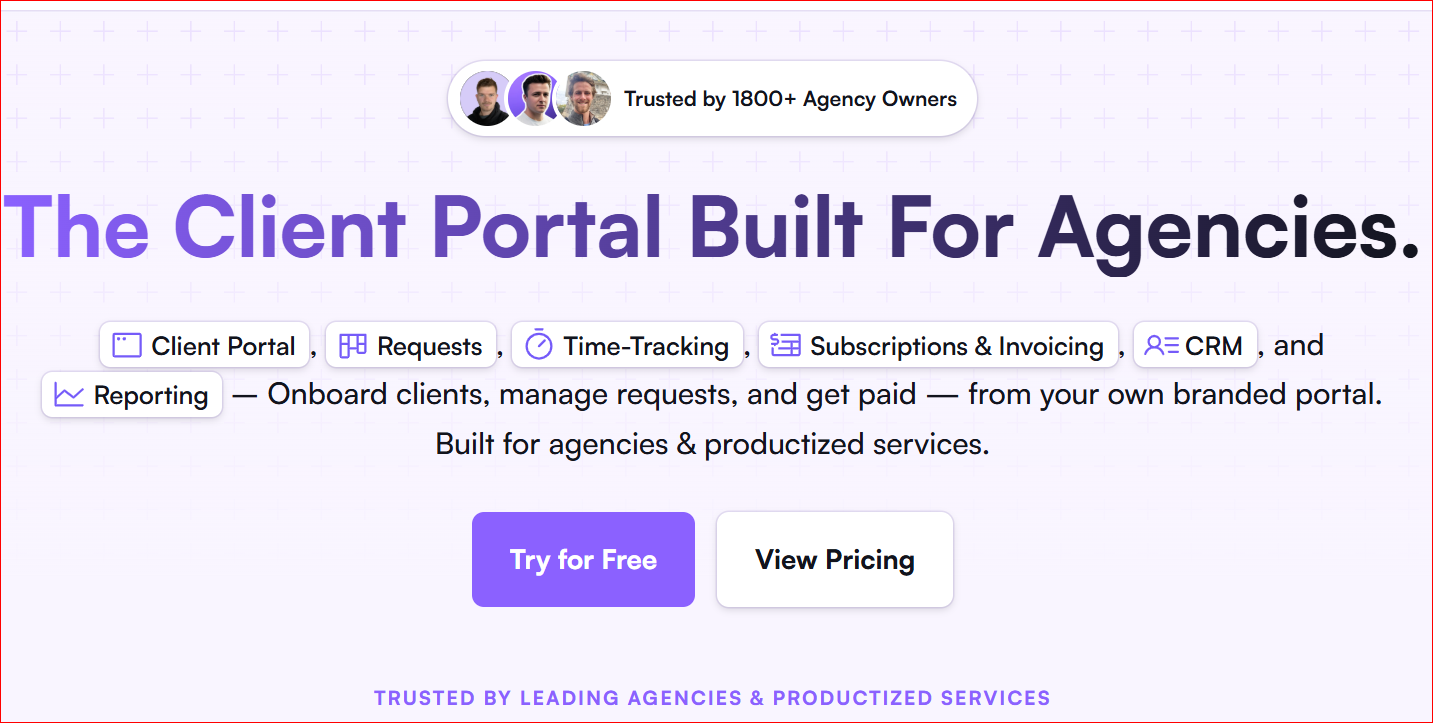
Best for: Agencies that want an all-in-one operating system for selling, delivering and scaling productized services.
While many tools focus on only one part of the workflow, ManyRequests is designed to run the entire business from one place.
That includes:
ManyRequests is the OS for productized agencies, not just another client portal or project management tool.
Productized agencies work differently from traditional ones.
You are managing:
ManyRequests is built specifically for this model. Clients can submit requests through a branded portal, track progress in real time, leave feedback and manage subscriptions without needing multiple tools.
One of the biggest problems productized agencies face is disconnected systems where requests, delivery, billing and client communication live on different platforms.
ManyRequests brings these workflows together.
Clients can subscribe, pay and start submitting requests inside one place.
The easier it is for clients to sign up and manage their service, the easier it is to scale recurring revenue.
ManyRequests gives agencies a structured delivery system.
Clients submit requests through organized workflows instead of random messages.
Teams can then:
This is especially useful for:
The platform also supports async communication directly inside requests, which reduces unnecessary meetings and scattered conversations.
ManyRequests introduced stronger growth and automation features focused on helping agencies scale operations more efficiently.
The platform also includes workflow automation and AI-assisted features that help improve operational speed.
As request volume increases, these operational improvements become important.
They reduce manual work and save time, while maintaining delivery quality.
Branding matters to productized agencies.
ManyRequests allows agencies to create a white-label client experience with:
This helps agencies present a more professional experience to clients without building custom systems from scratch.
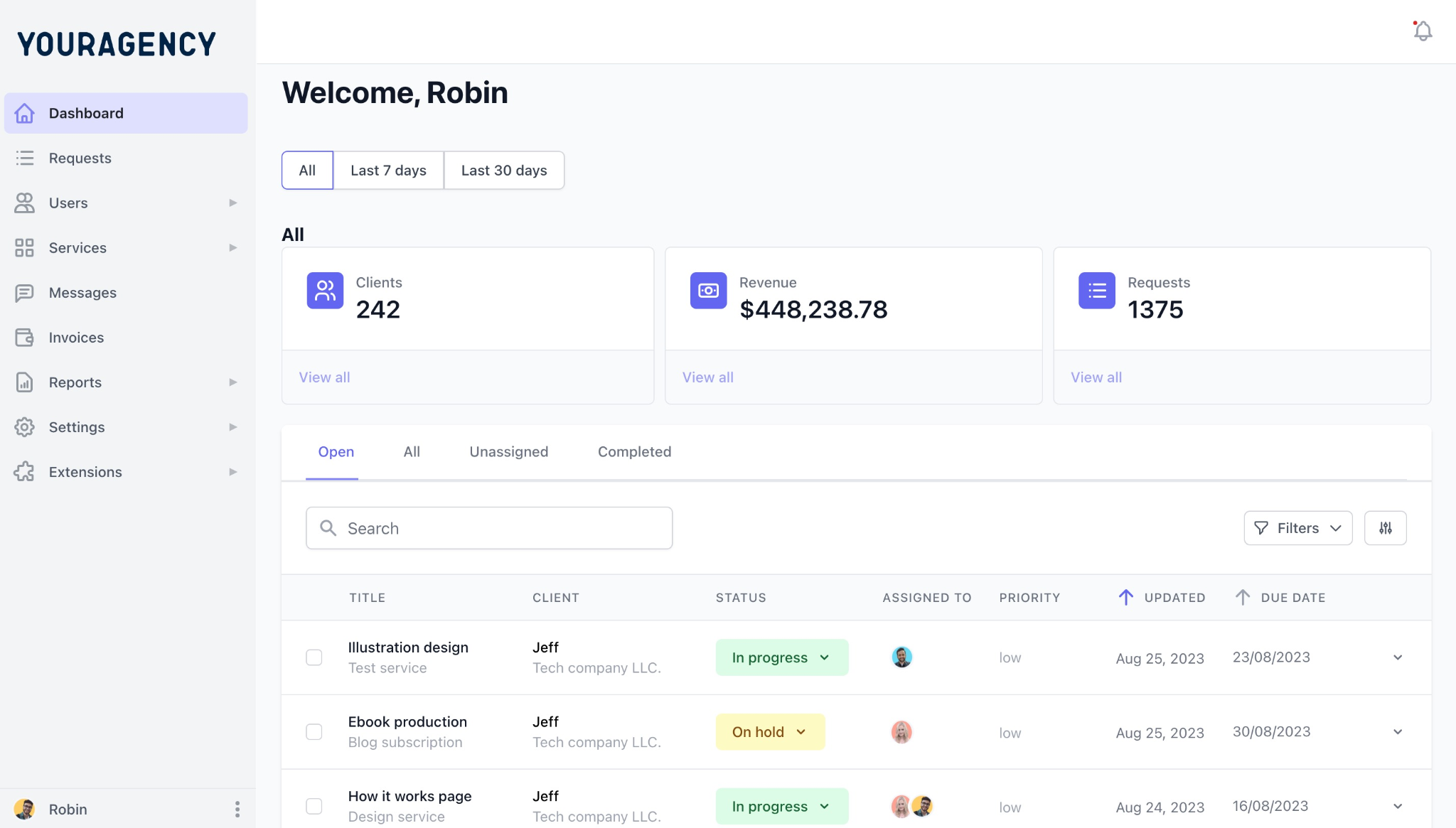
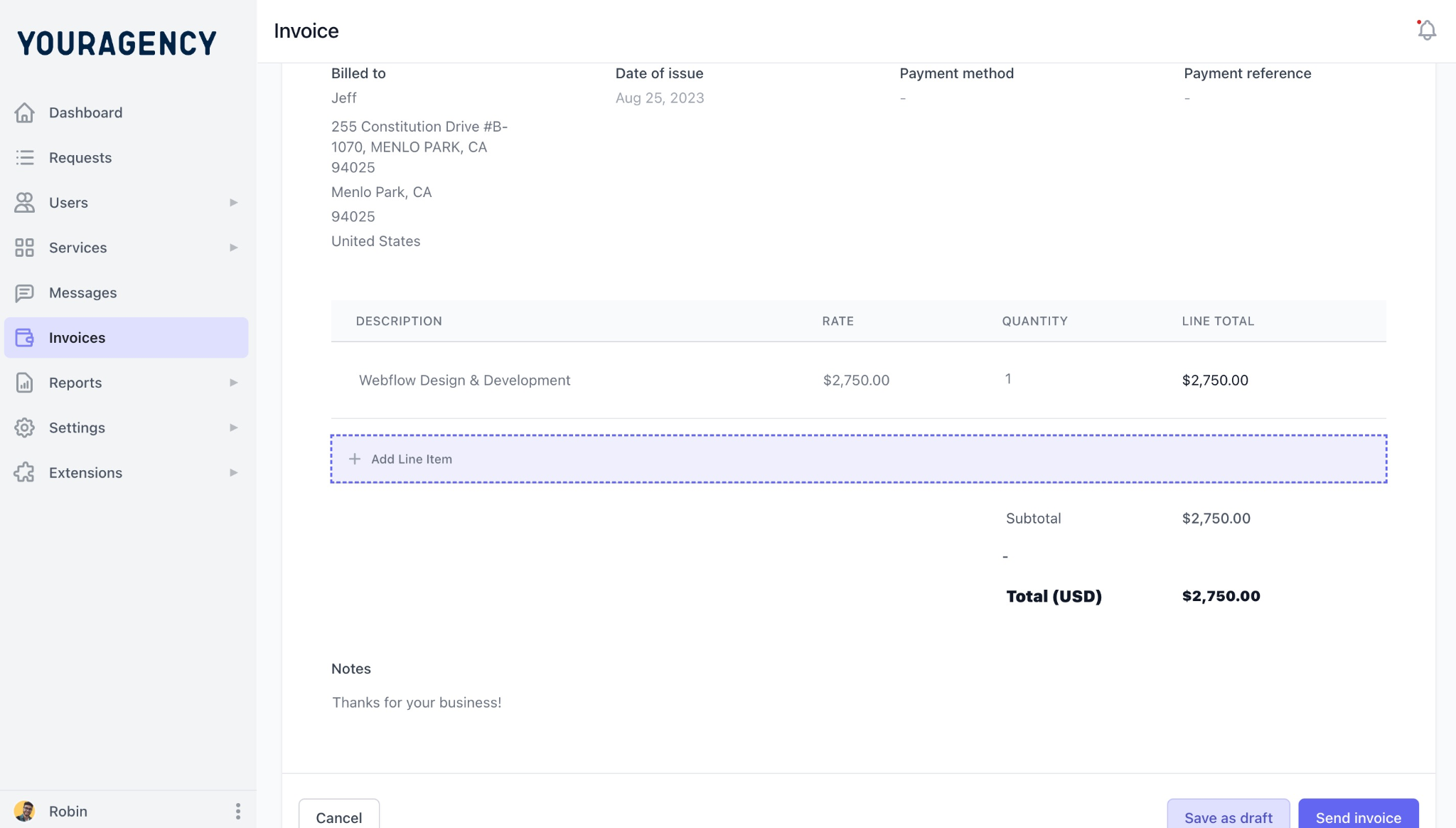
Admin view of ManyRequests’ client portal
More feature-rich than some solo freelancers need
ManyRequests is tailored for productized agencies serious about selling, delivering and scaling their services without friction and chaos.
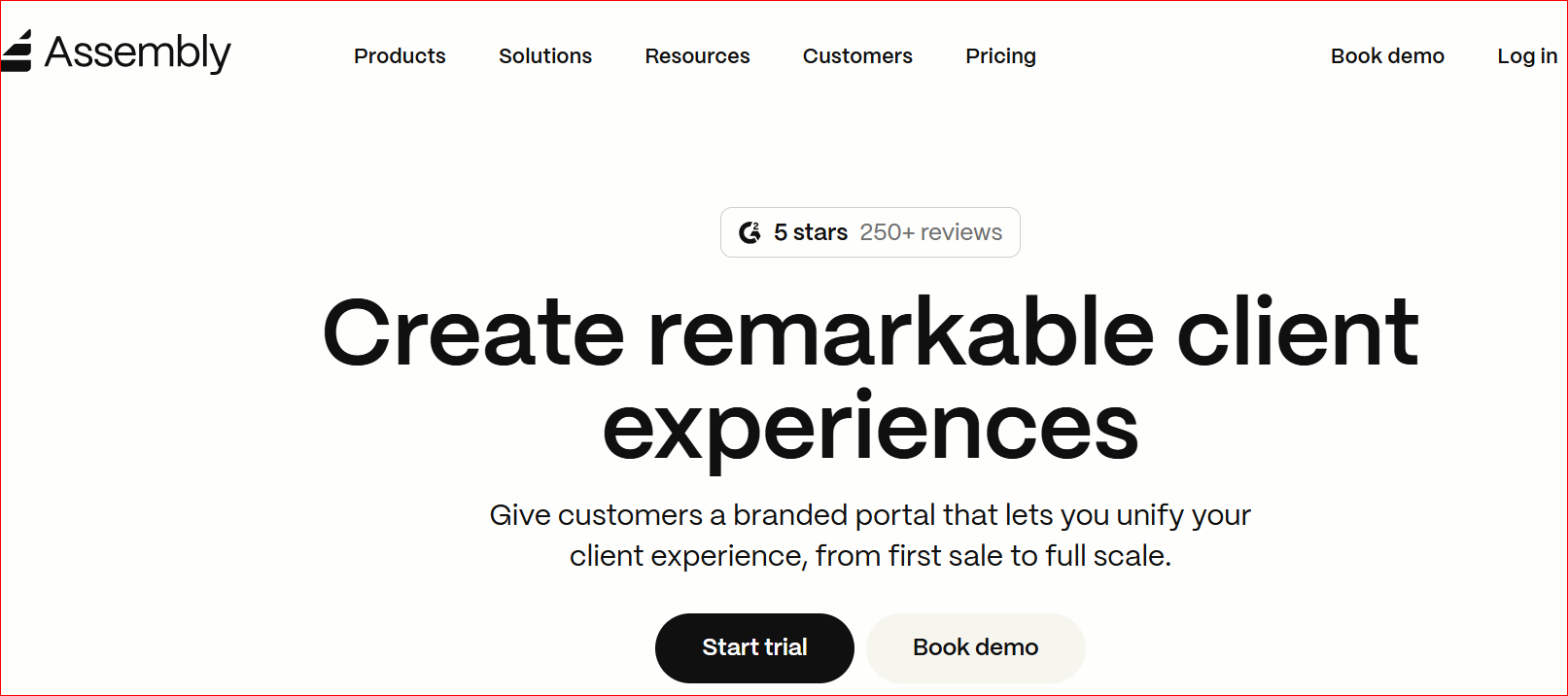
Best for: Service businesses that want great onboarding experience.
Assembly focuses heavily on the client-facing side of running a service company.
That includes:
Assembly may be good for smaller service agencies and freelancers that want a clean and professional client experience without building custom systems.
One of Assembly’s biggest strengths is its interface.
The platform feels modern and easy to use.
Clients can:
Assembly works well for small agencies which want a smooth onboarding flow.
You can collect:
The billing experience is simple and easy to manage.
Assembly is limited when it comes to deeper delivery management.
The platform is strong on the front-end client experience but it's not as capable wirh operational workflows built specifically for productized service delivery at scale.
If you run:
You may need more advanced operational features.
Although Assembly is great at client management, it's not a full operating system, especially for larger productized agencies.
Assembly favors service businesses that prioritize client onboarding and communication.
But for agencies running more advanced productized service models, handling recurring delivery and operational scale, tools built specifically for productized agencies often provide more depth.
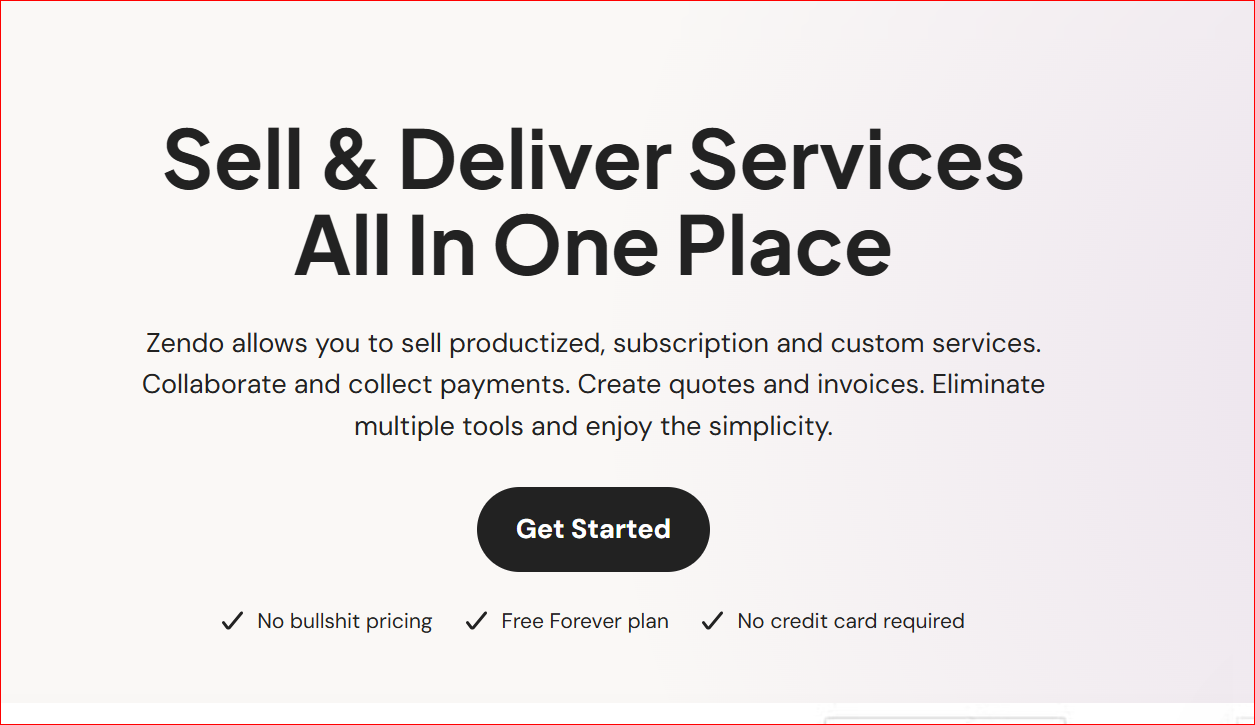
Best for: Small agencies and solo operators that want a simple way to manage client requests.
Zendo focuses on keeping productized service delivery simple.
Instead of trying to become a full operational system, Zendo gives agencies an easy way to:
The platform focuses on the basics:
With Zendo, you can move from messy email-based workflows without adding too much complexity.
Clients can submit work through a portal instead of sending emails or messages.
Agencies can then organize incoming requests and move work through different stages.
This creates more structure compared to using general project management tools alone.
Clients also get better visibility into what is happening with their work.
While Zendo works well for simpler setups, it has limits as agencies grow. It can be too limiting once client volume increases.
Larger productized agencies usually need more than just request management.
They often need:
If the above listed features are important to you, consider other more complete tools on the list.
Zendo works best for:
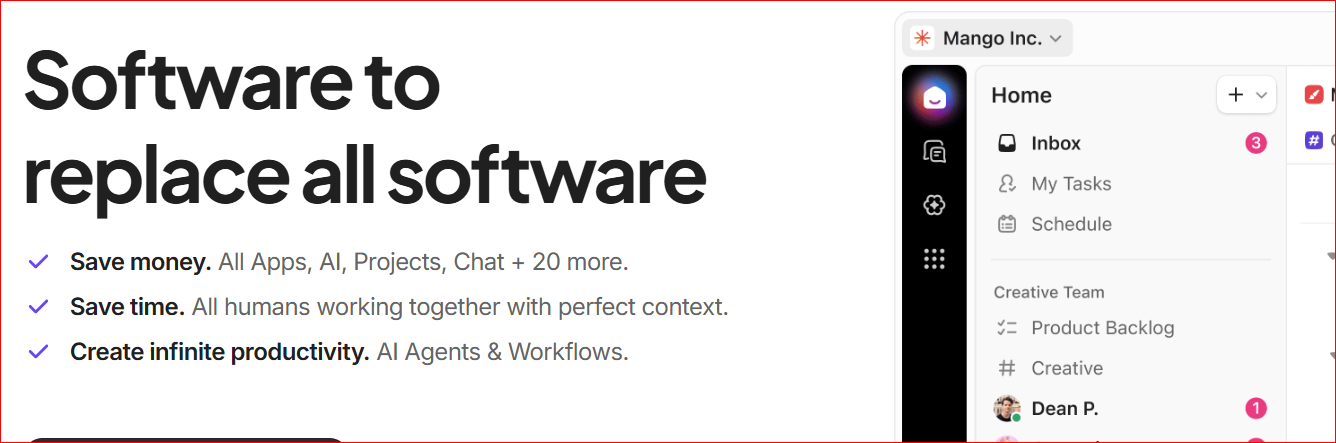
Best for: Agencies that want highly customizable project management workflows.
ClickUp is very flexible. Teams can build custom workflows, task systems, automations and internal processes around different types of work.
ClickUp manages internal work well.
Teams can:
You can customize workflows.
You can create:
This can be valuable for teams with unique operational workflows,
Clickup's biggest downside is that it's not purpose-built for productized agencies.
It's still primarily a project management platform.
That means you'll need extra tools for:
Another challenge is the client experience.
ClickUp was designed mainly for internal teams, not client-facing subscription services.
While clients can technically access projects and tasks, the experience often feels too operational for non-technical clients.
For example:
You might be better off with a platform built around the client experience as much as internal operations.
A platform where clients can submit requests, track progress, communicate with the team and manage subscriptions without dealing with a complicated project management interface.
It takes a lot to set up ClickUp, due to its complexity.
You may spend significant time:
ClickUp is more suited to agencies with:
ClickUp supports highly detailed delivery systems. The tradeoff is complexity.
ClickUp is an option for agencies that want deep control over internal operations and don't mind building their own workflows.
Agencies which want a more complete productized service platform (with built-in client portals, subscription management and recurring delivery workflows with less setup) should go for other tools.
The best platform is the one that fits your workflow and client experience. Not the one with the most features.
Here are the main things to consider when choosing a platform.
The more clients you manage, the more important operational systems become. A system that works with 10 clients may completely break at 100.
As agencies grow, common problems appear:
Your software should help create structure as volume increases.
Prioritize tools with these features:
Productized services depend heavily on client experience.
Clients expect:
Some tools are better at this than others.
For example, ClickUp, though strong internally, is not built primarily for client-facing recurring services.
So if client experience is important to you, tools with dedicated client portals like ManyRequests are a better fit.
If billing lives outside your operational workflow, it introduces chaos and administrative complexity. The more connected billing is to delivery, the easier your operations become.
Good productized agency software should make it easy to:
From within the tool.
A great client experience helps productized services feel more premium and trustworthy.
If client experience is part of your positioning, choose a tool which offers you exactly that.
White-label features include:
Productized services are built for scale. So don't choose software only for your current size.
Ask…
Will this software still work when your client volume doubles?
Switching systems later can become painful. Choose a platform which seriously supports long-term productized service operations.
Feature comparison for productized agencies
The best software depends on your agency size and workflow. ManyRequests is one of the strongest all-in-one platforms built specifically for productized agencies.
Yes, but most agencies eventually outgrow them. ClickUp and Notion work well for internal workflows but they're not built specifically for recurring productized service delivery.
ManyRequests helps agencies sell, deliver and scale productized services from one place. It includes client portals, request management, subscription billing, internal workflows, AI-assisted delivery and growth tools.
Project management tools focus mainly on internal tasks. Productized service software is built specifically for recurring service businesses and often includes client portals, subscription billing, request management, onboarding and delivery workflows.
Many unlimited design agencies use platforms like ManyRequests and Zendo to manage requests, deliver workflows, manage billing and handle client communication.
Some platforms do. Tools like ManyRequests and Assembly include subscription billing and payment management features.
ManyRequests is one of the best client portal platforms for productized agencies because it combines client communication, request management, billing and delivery workflows in one system.
Running a productized agency is a complex process, involving several moving parts. The right tools save you time and money, and support your growth.
The best tools are the ones which support client requests, delivery, client communication, billing, reporting, branding and project delivery all in one place.
ManyRequests is one such tool. Click here to start using it for free and see how it impacts your business operations.
1. See how ManyRequests works in real life. Start a free trial and experience how productized agencies centralize requests, reduce chaos, and streamline delivery, without changing their entire workflow.
2. Read our Implementation Guide to launch smoothly with your team and clients.
3. Follow us on LinkedIn and YouTube for practical agency growth strategies
4. Check out The Productize Blueprint to learn how to turn your services into a scalable, productized offer.
William Nzewi is a data scientist and a writer. He likes to read and learn new things, especially about tech, business and life.