Agency Retainer Model vs Subscription for Productized Agencies
Agency retainer model vs subscription, which one actually scales? Learn how modern productized agencies structure and choose the right model.

Peace Akinwale

An agency retainer model is a recurring pricing structure where clients pay a fixed monthly fee for ongoing services, but the right model depends on how your agency delivers work, whether that's hourly, deliverable-based, or subscription-based.
For most modern productized agencies, subscription-based retainers are the most scalable option. But getting there means understanding what each model demands operationally beyond how it looks on a pricing page.
In this article, I explain the retainer pricing models and how to choose the best fit for your agency.
I’m sure you know agencies who bill hourly and how it works. But for an agency retainer pricing, the client pays a monthly fee upfront that buys a fixed number of hours. The agency then tracks time against that bucket of hours and delivers work until they've used what the client paid for.
If the client needs more hours, they can top up at the standard rate. If they use less, the hours expire by the end of the month. And if you use ManyRequests as a client portal and PM tool, you can allow clients to roll over unused hours to the next month so they don't feel cheated paying for 20 hours when they used 15.
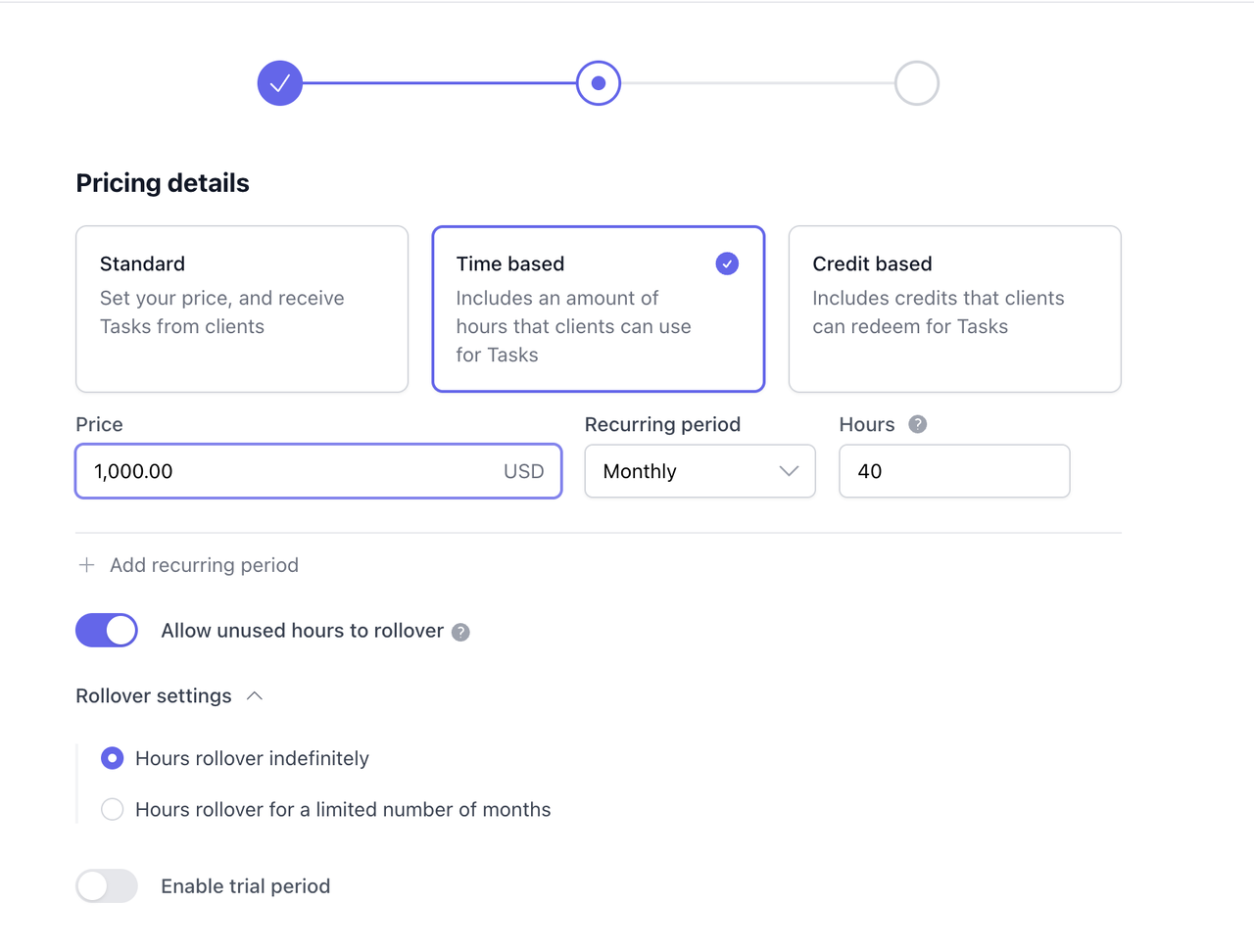
This must be stated in your contract btw, so they are aware of what they’re paying for.
📌 Read more: Retainer Agreement Contract Template
Every work assigned eats up little hours, and you can use the time tracking feature in ManyRequests so they can know how their money was spent. You can also show them a weekly usage report.
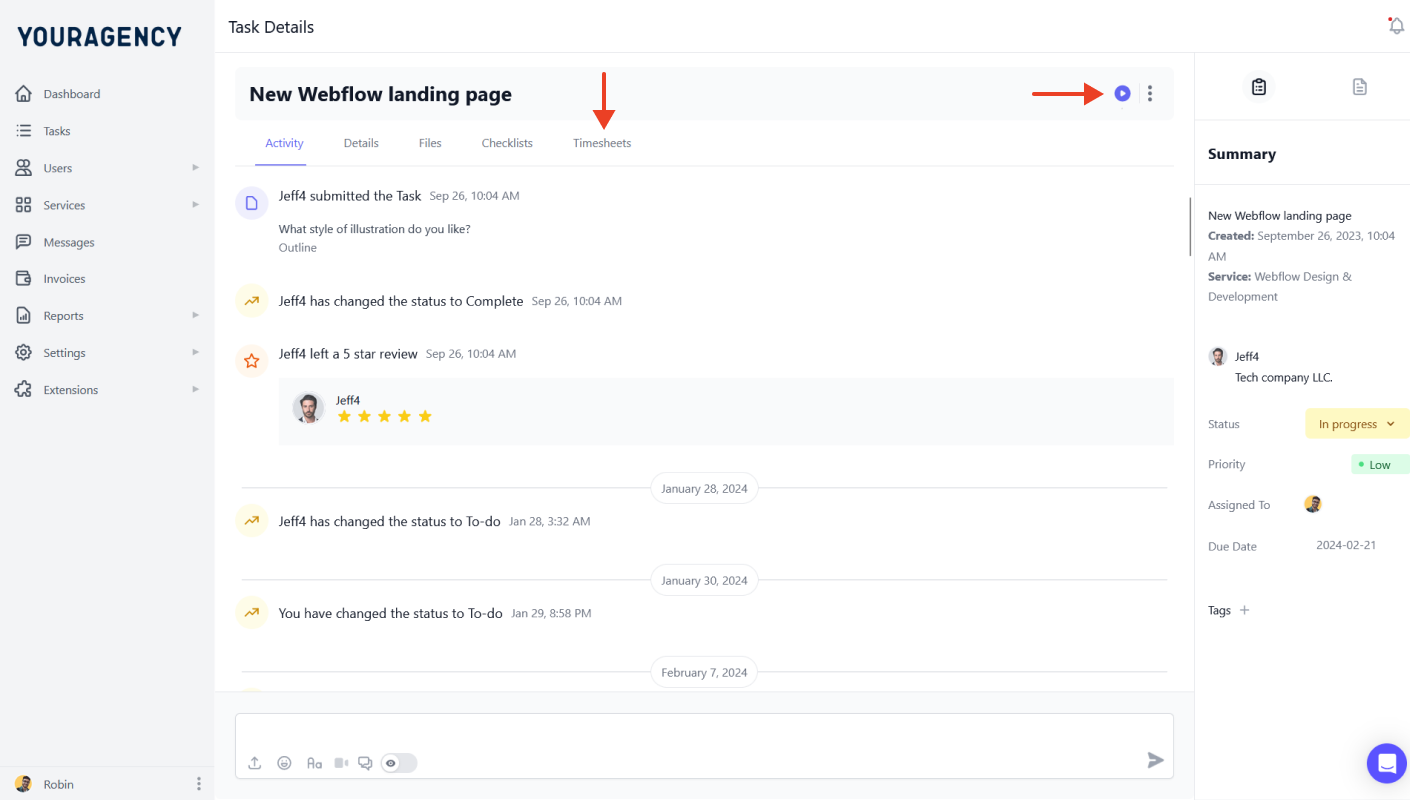
Hourly retainers work, but they penalize efficiency. The better your processes get, the less you earn per engagement unless you renegotiate rates.
Consultancies, web dev shops, technical SEO agencies, and even design agencies. This is because if a client hires them for three months, their work for each month wouldn't be the same.
For context, a web dev agency may spend five hours fixing a bug in January. In February, they may spend 40 hours adding a new feature to the client’s UI based on user feedback.
What an hourly retainer agency needs to set it up
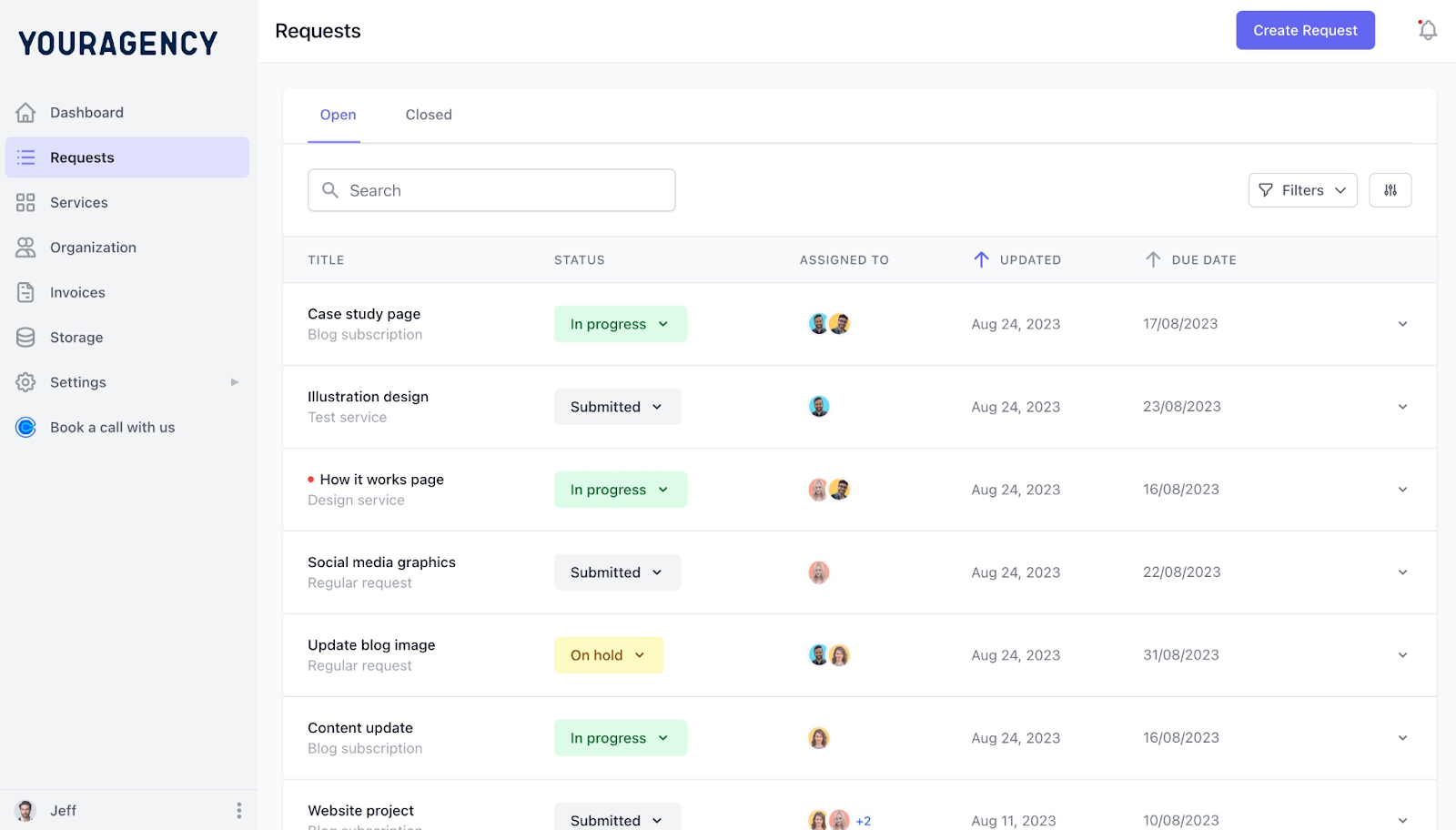
This is the client view of your portal btw - here, they have access to the active projects and cannot see internal chats with your team.
In this pricing structure, the client pays a fixed monthly fee for a defined set of deliverables. If you’re a design agency, this can be $4,000 for 12 social media designs, 15 for email marketing, and 5 custom designs per blog article (5 articles per month).
Flat-rate retainers are predictable, but they break down the moment a client starts pushing the scope. And that’s why a tight contract is important to getting an upside.
Content agencies, social media agencies, email marketing agencies, SEO link-building shops, and design agencies. This is because they have a specific number of deliverables per month, and the more repeatable the output, the easier it is to put a clear price on it.
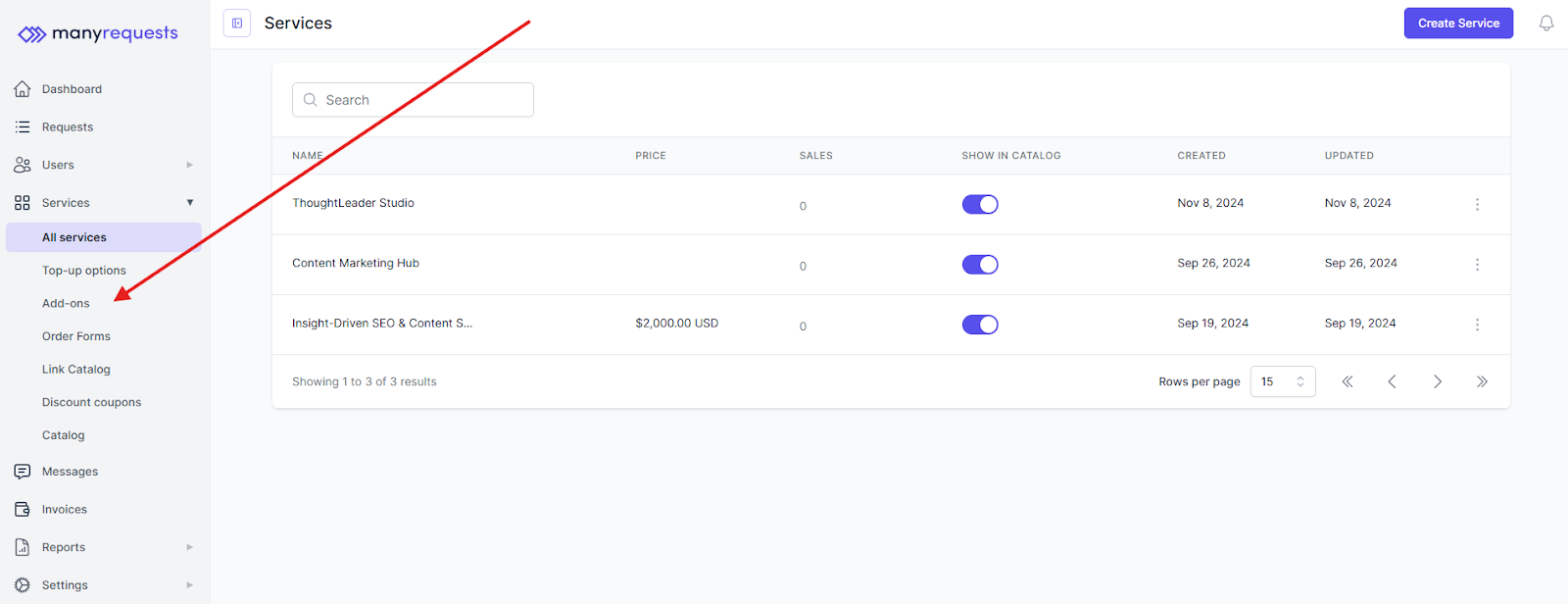
You can create this add-on services for clients in ManyRequests:
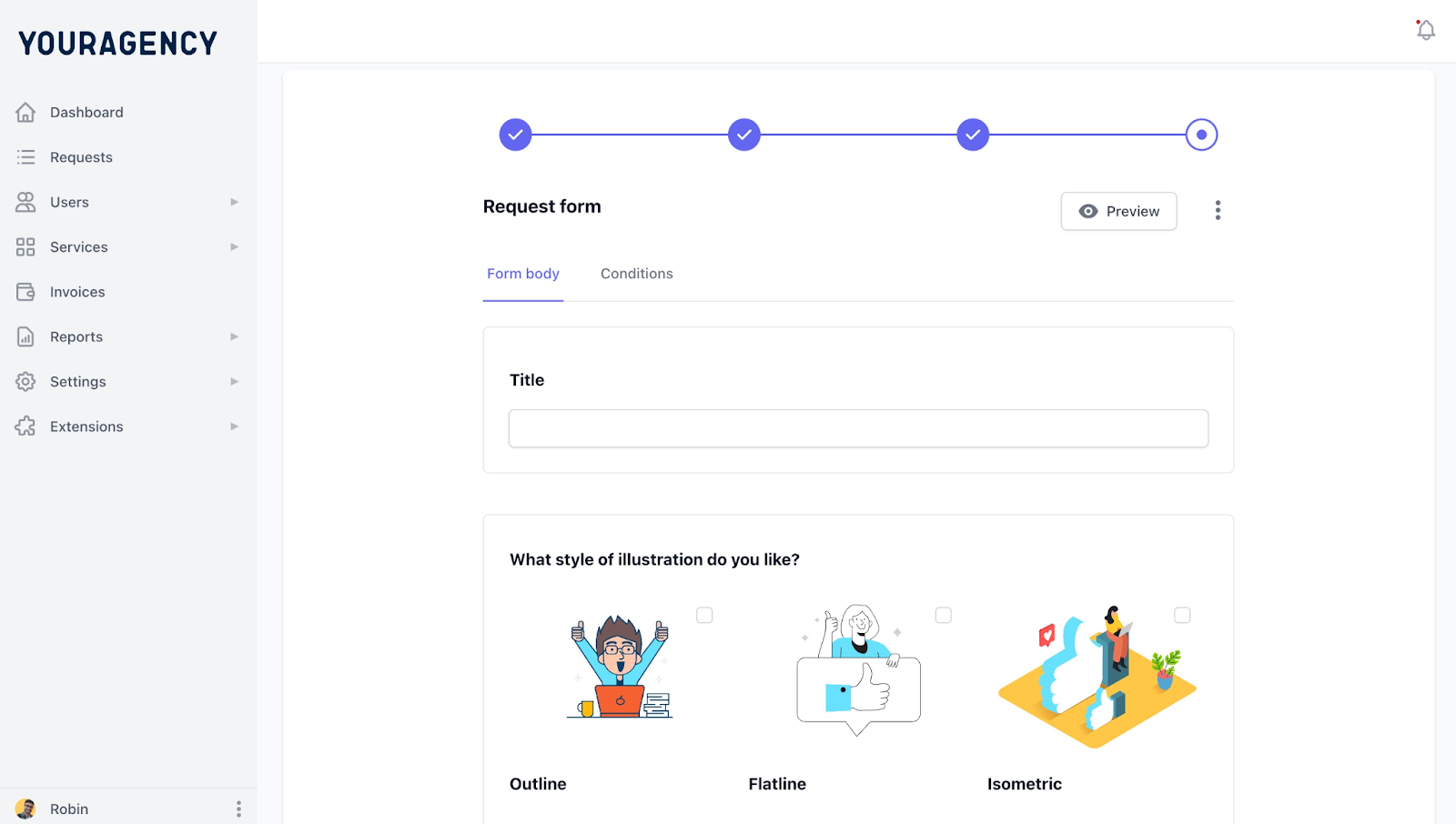
With ManyRequests, you can create a well-thought out intake form. Whenever they wanna book your service, they’ll see the form and fill it with the details you need for their work.
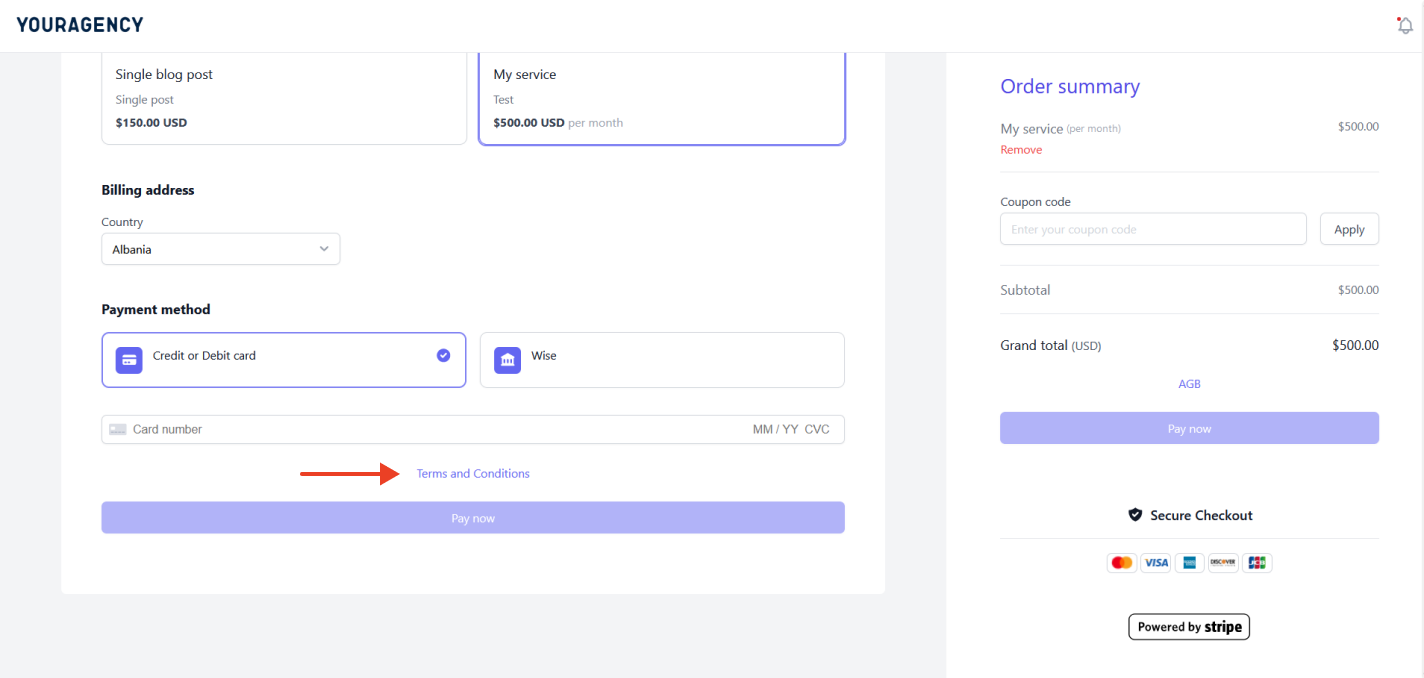
This lets you add terms and conditions to your checkout form, so clients understand what they're paying for:
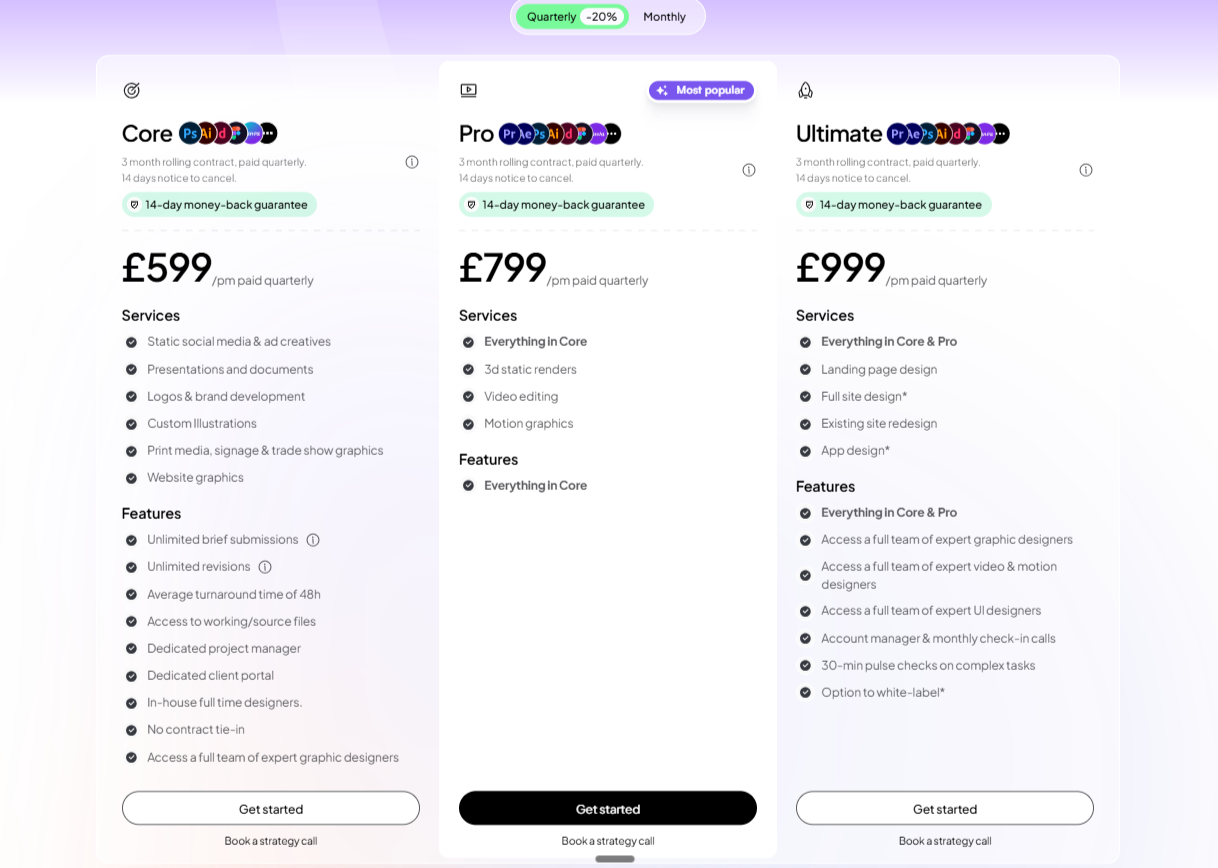
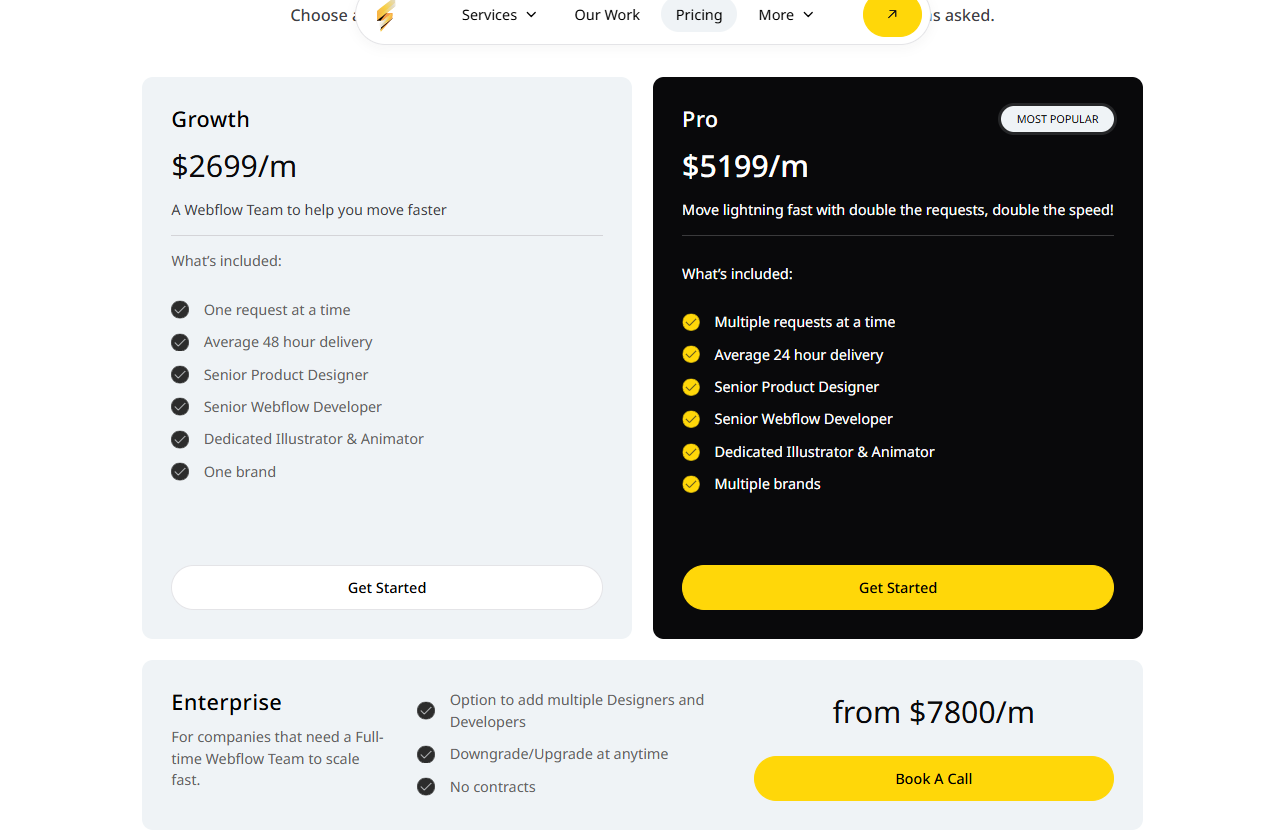
In this subscription-based model, the client pays a fixed monthly fee and makes requests through a structured intake system.
The agency processes those requests in a queue and submits one task at a time. This is the playbook that an agency like magier uses:
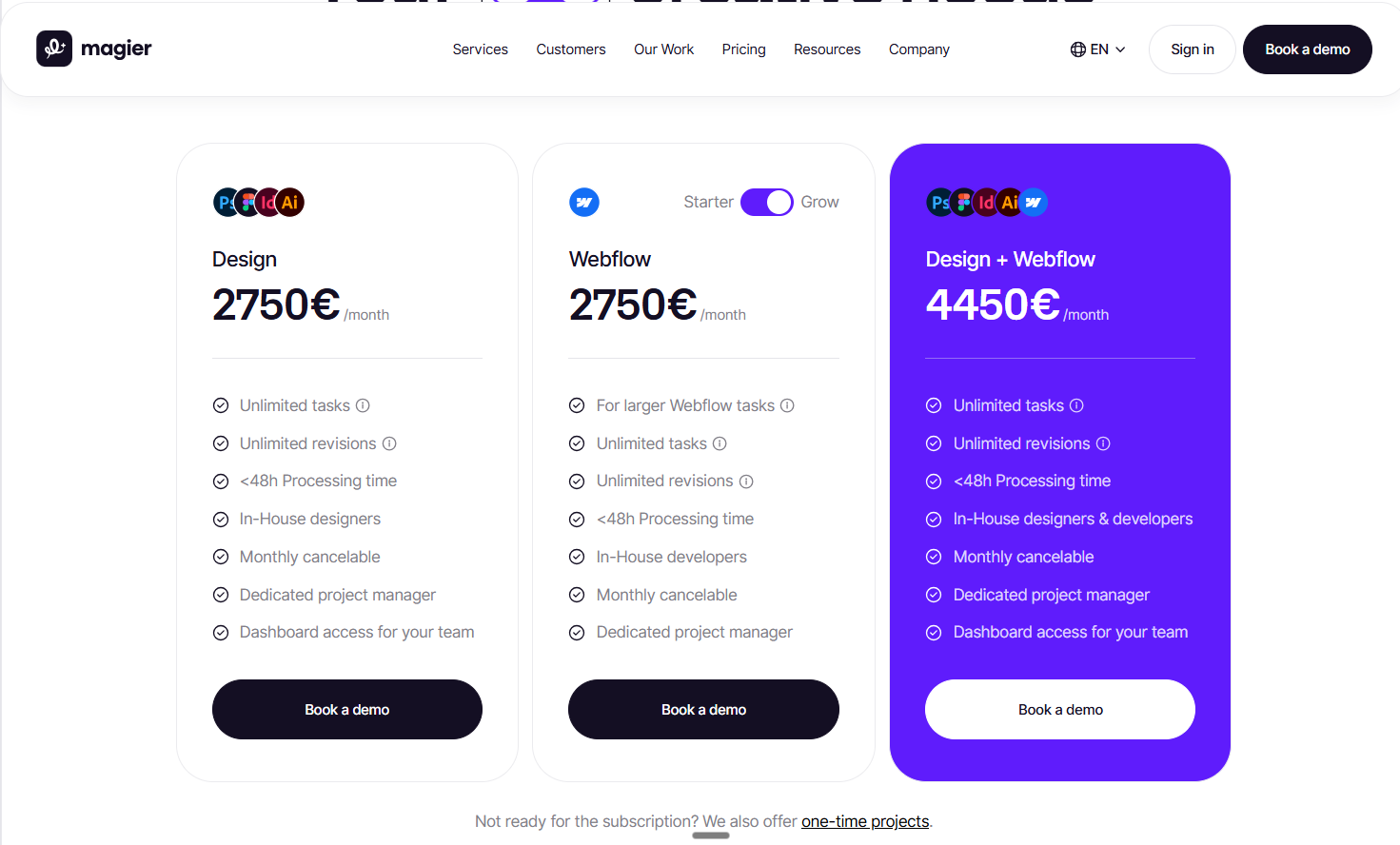
The scope of work here is defined by the types of requests the subscription covers and the pace at which the agency delivers them.
As you can see from magier’s pricing page, they allow unlimited tasks and revisions, but each work takes about 48 hours of processing time. This means any other task within that 48 hour window won’t be handled until they submit the active task.
Most agencies start with hourly or flat-rate retainers, but as they grow, they shift toward subscription-based models because they’re easier to standardize and scale. Of the five models, subscription retainers are what most productized agencies are using because the queue handles pacing, the intake form handles briefing, and clients always know where their work stands.
Design agencies, video editing agencies, web dev agencies handling small-ticket tasks, and copywriting agencies. This is because they do the same type of work at high volume and can handle it through a structured queue.
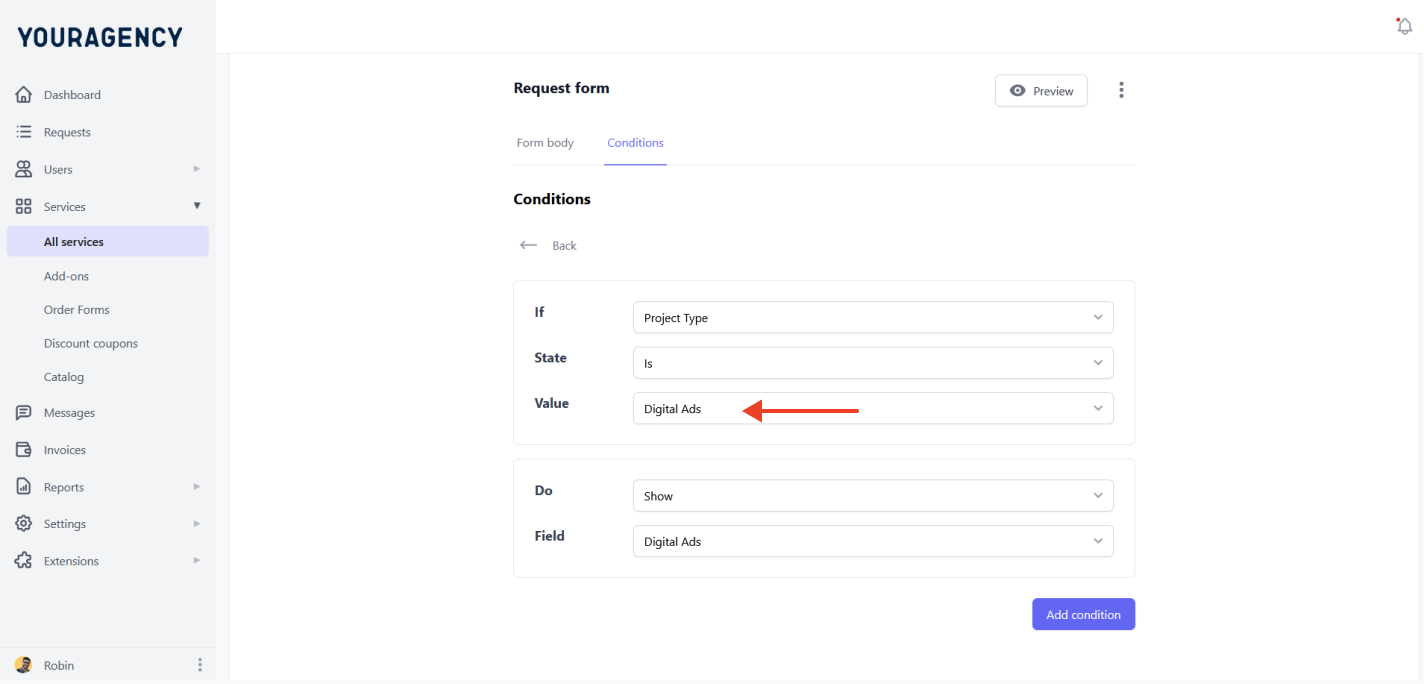
But if you’d like to keep the forms in the same dashboard where you manage client projects, use ManyRequests. You can customize the form fields and even add conditional logic, such that if a project type includes digital ads, print materials, and logo & identity, the questions they are asked vary based on the answer they choose:
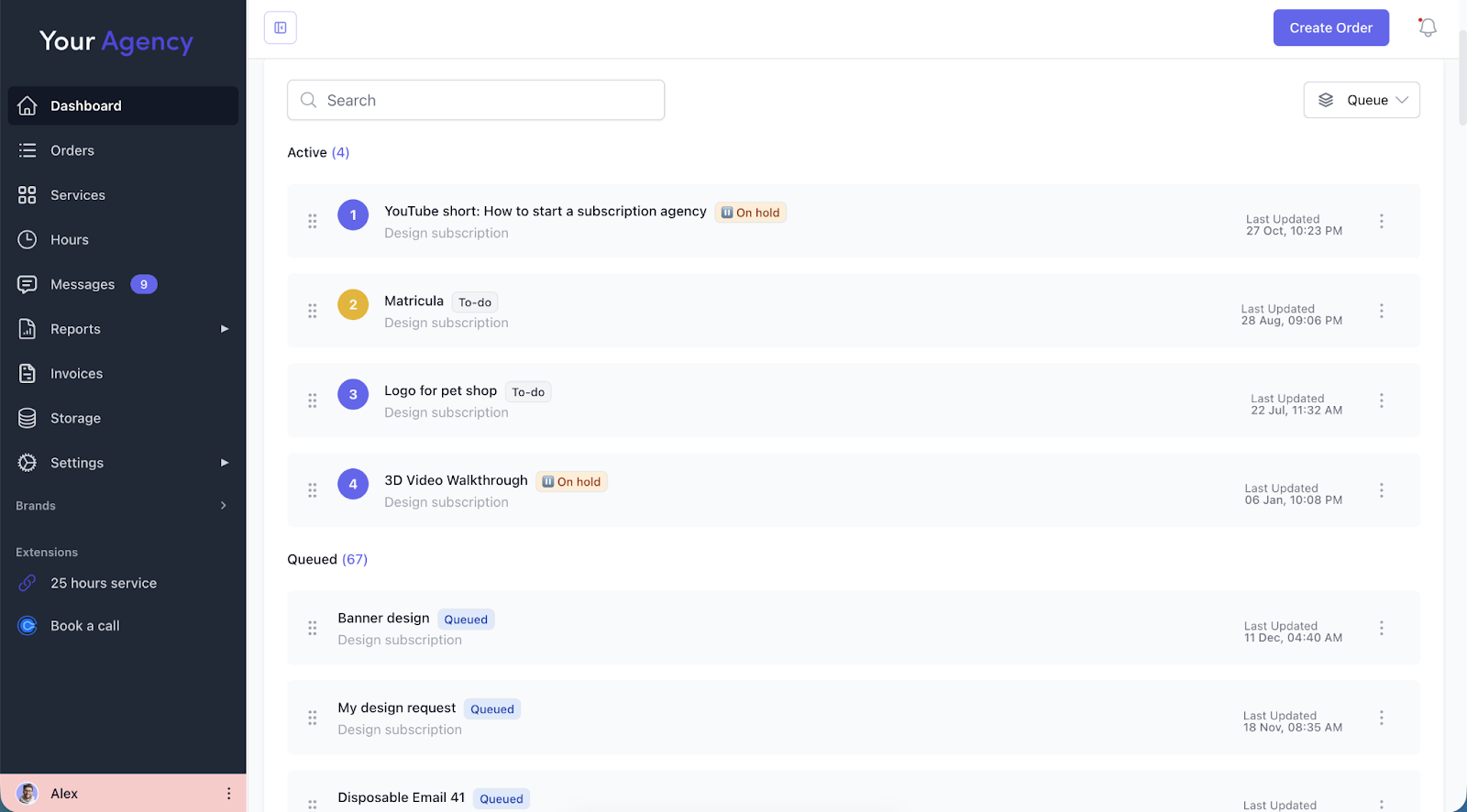
You can also use the ManyRequests client portal to show them. This is the client view when they have multiple tasks and some are on the queue, so they don't have to ask for updates:
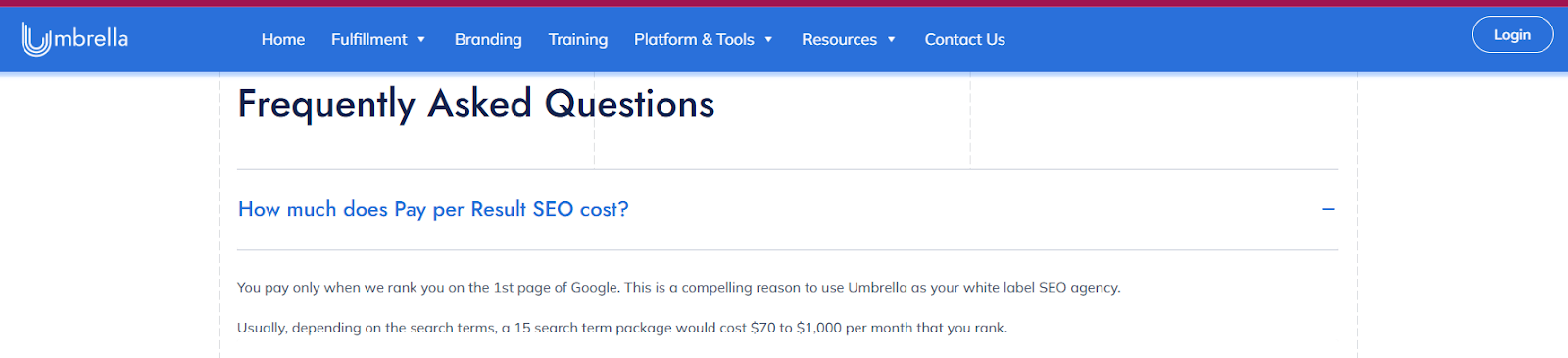
Here, your agency commits to a business outcome rather than a set of deliverables or a block of hours. The monthly fee is tied to results (lead gen, traffic, conversion rate improvement, etc.).
So instead of saying "we'll publish six articles and run two paid campaigns per month," you say something along the lines of "we'll generate 150 qualified leads per month." Basically, the client is paying for the results you promise; they don’t care what it takes to get them.
This is a high-risk, high-reward model. It only works if your process is already proven and repeatable.
This is best for experienced agency owners with a proven, repeatable process. It’s also great for niches where outcomes are directly attributed to the agency's work (think SEO, link building, lead-gen, paid media, etc.).
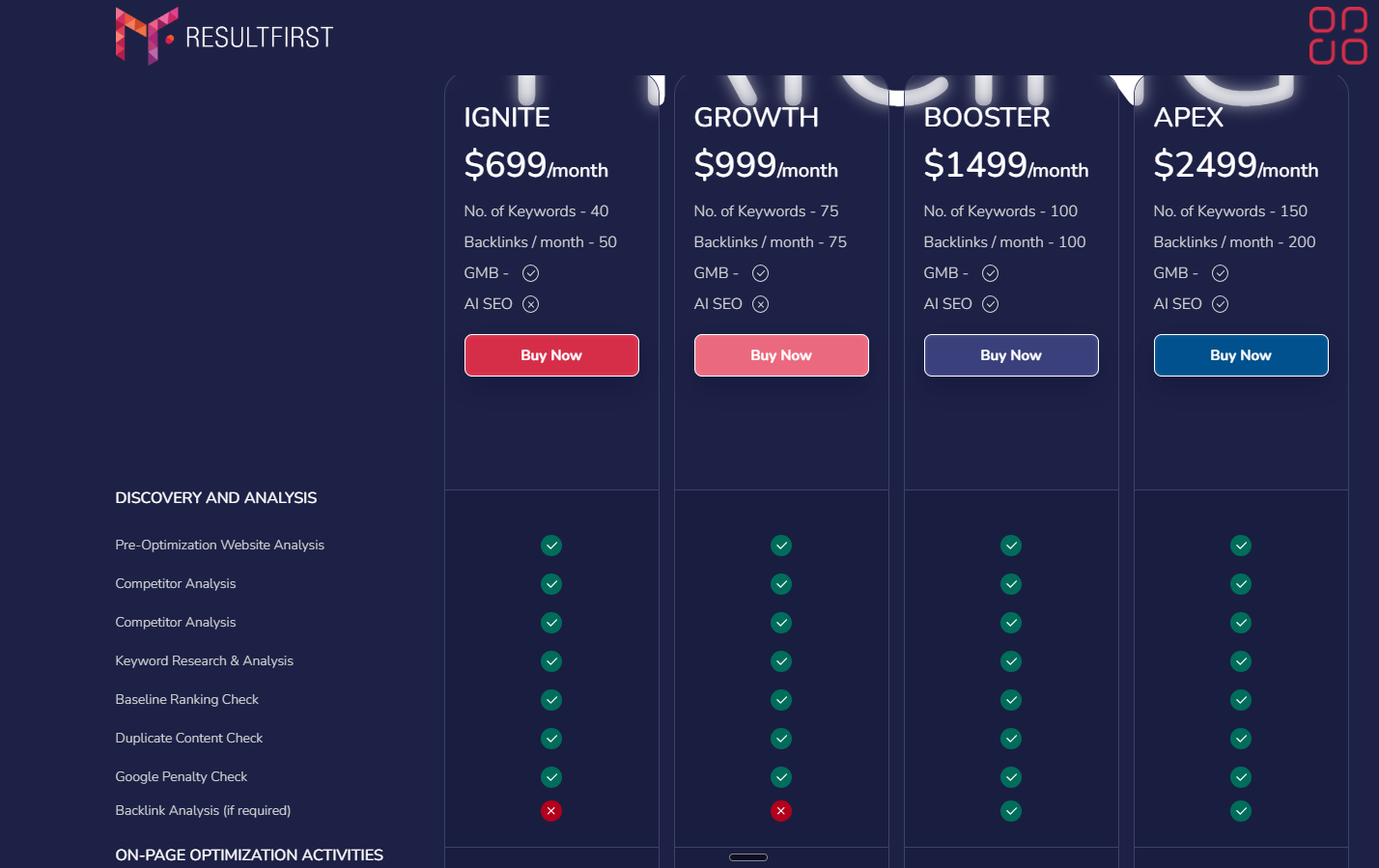
For example, ResultFirst’s pricing is structured in a way that clients only pay when they rank for a specific number of keywords. The base payment is $699/month for 40 keywords and max is $2,499/month for 150 keywords.
Same for Umbrella Marketing:
In the hybrid agency retainer model, the client pays a base monthly retainer that covers your core work, combined with performance bonuses tied to results. The base covers the costs of your work and the bonus on the side is an upside for both parties when you exceed expectations.
For example, a paid media agency can charge $4,000 per month as a base fee to manage ad campaigns. But they also get a $500 bonus for every 25% increase in qualified leads above the agreed baseline.
So if the client's baseline is 100 qualified leads per month and the agency gets 150, they get a bonus.
The hybrid model gives you stable base revenue with performance upside. The catch is that both parties have to agree on attribution before work starts, or the bonus structure creates conflict instead of incentive.
Pay-per-performance marketing agencies, lead generation agencies, paid social agencies, link-building agencies, e-commerce growth agencies, and cold outreach agencies. It’s a fit for agencies working in channels where their contribution to results is traceable.
Most retainer models don't fail because of pricing. They fail because the delivery system breaks down — requests go missing, billing is disconnected from the actual work, clients lose visibility into what's happening, and communication becomes reactive.
ManyRequests is built specifically for this layer. It connects request intake, queue management, time tracking, billing, and client visibility into one place so the operational side of your retainer doesn't become the reason it breaks. See this seven minutes clip for how our software helps:
While every retainer model has its defined scope, there are times when a client needs more work than their retainer covers. This is when you can have add-on services either upsell or to complement your work.
For solo operators especially, add-ons help you avoid extra work that erodes your structured pricing rates.
To keep it structured, do these:
For example, as a content agency, your client may want to write a case study or an industry research report. If you offer similar services, you can structure it as an add-on rather than part of their retainer.
With ManyRequests, you can create as many add-ons as you need, each with their pricing (hourly or per project), and service intake forms.
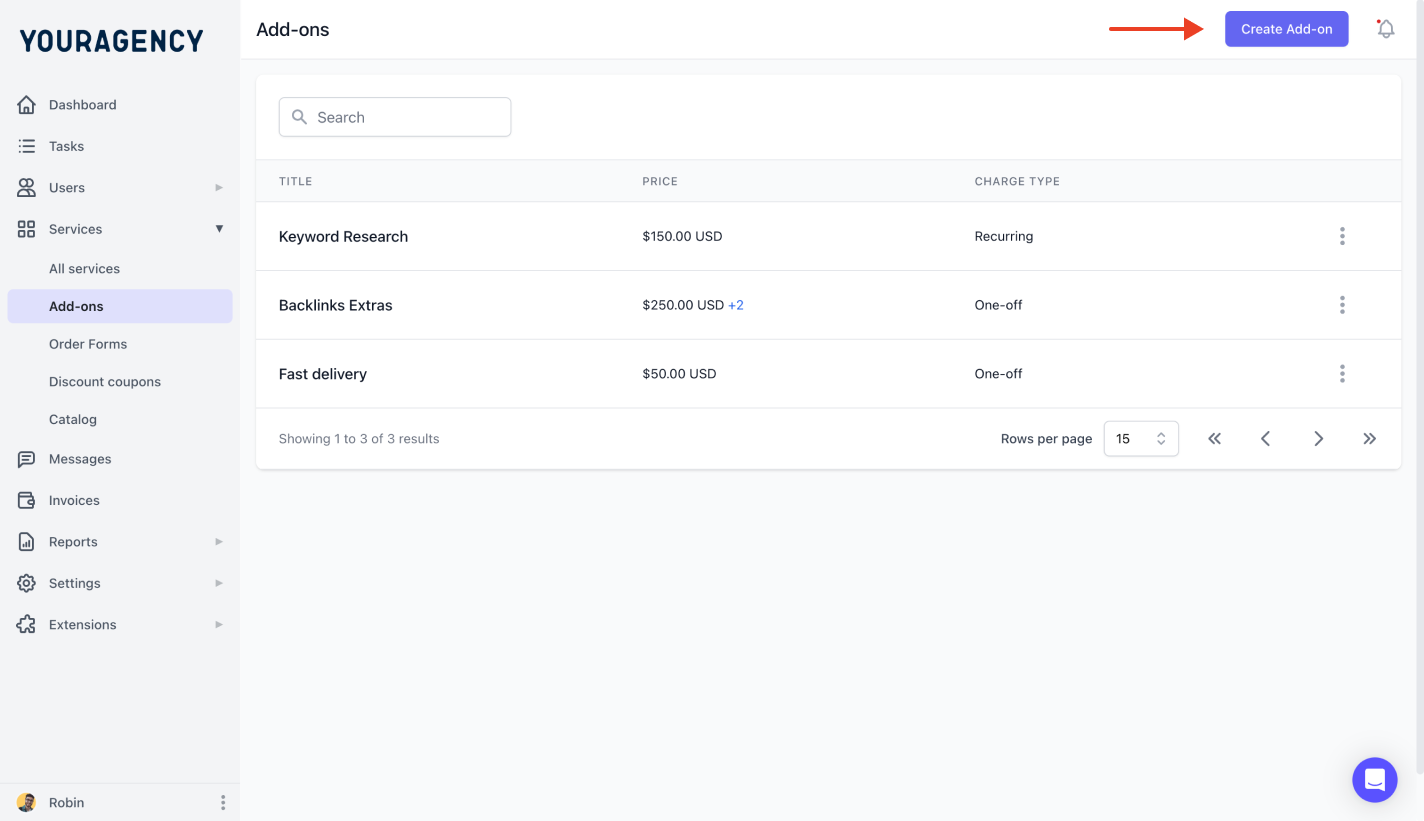
But if you’re not using ManyRequests, find ways to make paying for the add-on easier, and this could mean writing an invoice so they can pay it later. Whatever works for you.
If you still have clients who pay per project and can benefit more from a retainer, you can use a straightforward pitch like:
"Hey (client), we've been working together for a while now and we'd love to put you on a monthly retainer. You'll benefit from a discount on our rates, and we benefit from having you as an ongoing client. You can cancel any time within 30 days’ notice. Is this something you'd be open to?"
This pitch can help because it goes straight to the point and lets the client know it’s a win-win idea.
Another hard part of this transition could also be the part where clients have to submit work through a “new” client portal (if you’re using ManyRequests, ClickUp, etc.). The best you can do is to walk them through the intake form on a call, show them the queue view, and let them see how you mark tasks as complete.
Which clients should you pitch for a retainer?
The clients who are best to pitch are ones who are already happy with your work. They know what working with you is like and don't need to be convinced that you can deliver.
The only thing you should do before the pitch is to choose a retainer model and have a detailed offering laid out.
Here’s a side-by-side comparison of all agency retainer models based on how they operate in practice:
The agency retainer pricing structure you choose determines how you scope your work, handle overages, and how clients experience working with you. Here’s a thought process to consider before choosing any:
A recurring pricing structure where clients pay a fixed monthly fee for ongoing services — hourly, deliverable-based, or subscription-driven.
Subscription-based retainers. They're the easiest to standardize and operationalize as your agency grows.
Flat-rate defines specific deliverables per month. Subscription defines the type of work and processes it through a queue — volume is less fixed.
If your process isn't yet proven and repeatable, or if the client isn't willing to fully delegate execution.
At minimum: an intake form, a way to track and report work, and a client portal that gives visibility without manual updates.
1. See how ManyRequests works in real life. Start a free trial and experience how productized agencies centralize requests, reduce chaos, and streamline delivery, without changing their entire workflow.
2. Read our Implementation Guide to launch smoothly with your team and clients.
3. Follow us on LinkedIn and YouTube for practical agency growth strategies
4. Check out The Productize Blueprint to learn how to turn your services into a scalable, productized offer.
Peace Akinwale is a B2B SaaS content writer and strategist who creates BOFU content and how-to articles that drive measurable growth for software companies and agencies. Over six years, he's worked with clients like Marker.io, Pangea.ai, Spicy Margarita agency, and HigherVisibility to turn technical topics into content that converts, and has helped a client achieve 233% organic traffic growth within six months of taking over their blog.