13 Productized Agency Examples with Pricing and Mechanics [2026]
See 13 real productized agency examples, their pricing, business models, and what makes each one scalable.

Adetola Rachael Iyanuoluwa

Brett Williams runs Designjoy all by himself, one request at a time, at $4,995 a month. He has no team, and he doesn't do any outsourcing. His numbers aren't small either: he's told interviewers the solo business clears over $130,000 in monthly recurring revenue.
That's the version of a productized agency everyone wants. The problem with most productized agency examples lists is they stop right there, at the name and the revenue figure, before the part that tells you how the thing runs once a hundred clients are submitting requests at the same time.
So this piece does the other half.
I pulled together 13 real productized agencies across six service types. For each one, you'll see what they charge, the pricing model they run, and the mechanic that makes it work. Then I'll show you the one thing all 14 have in common, because that's the part you can copy.
A productized agency sells its services as fixed packages with set prices and a defined scope, with a repeatable delivery process, so clients buy a clear outcome the way they'd buy a product instead of negotiating a custom quote every time.
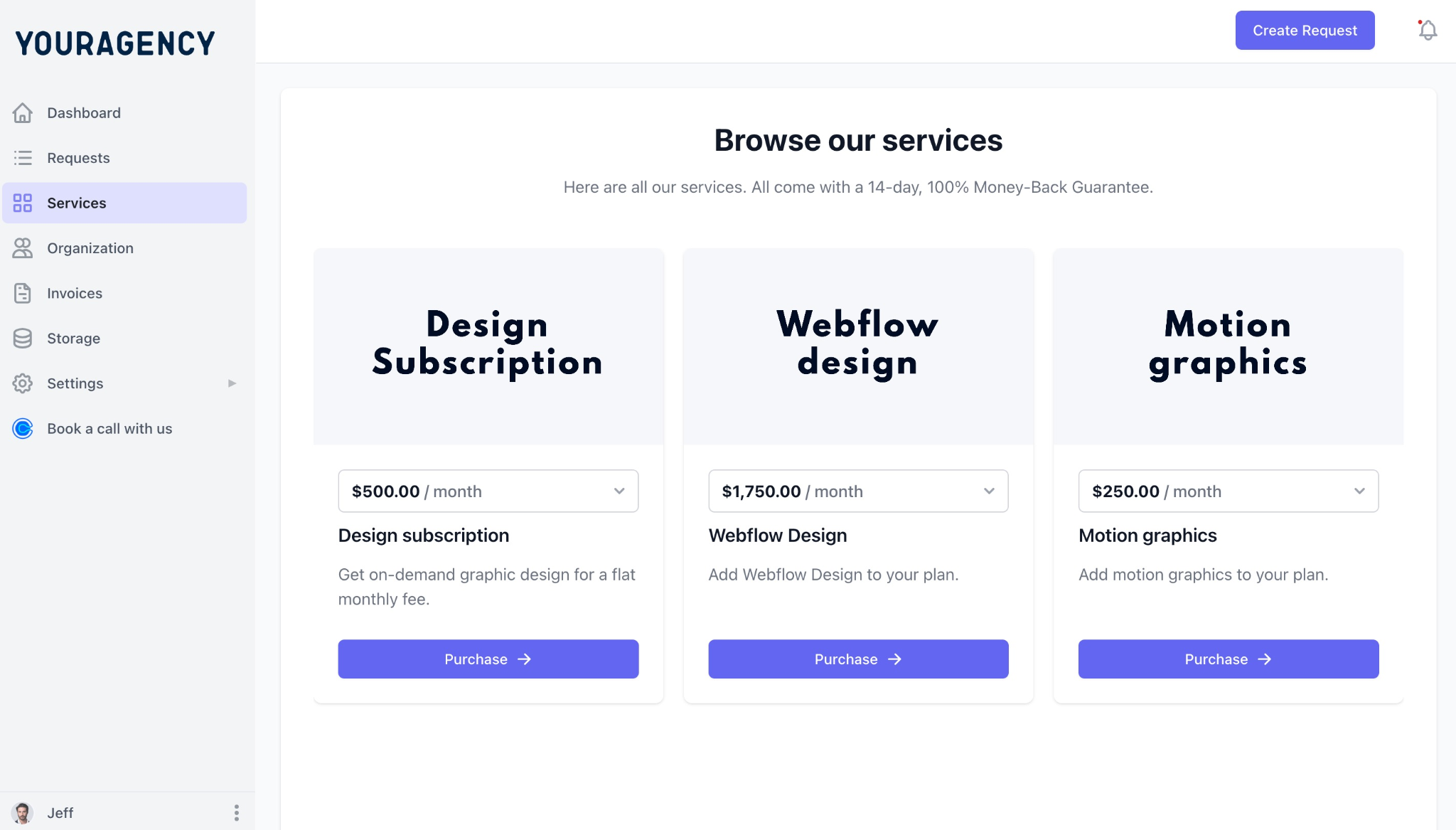
People still do the work. What changes is the packaging, which are standard tiers, and a delivery system that runs the same way for every client.
Productized service expert Greg Hickman defines it as "a packaged service where it has a fixed scope, fixed deliverable, and typically a fixed turnaround time, and a fixed price." And that about sums it.
The split from a traditional agency comes down to three things:
That bottom row is where the model earns its money, because it settles price and scope before the client ever talks to you.
Every example below prices in one of four ways. Spot which one fits your service and that's half the work of productizing it.
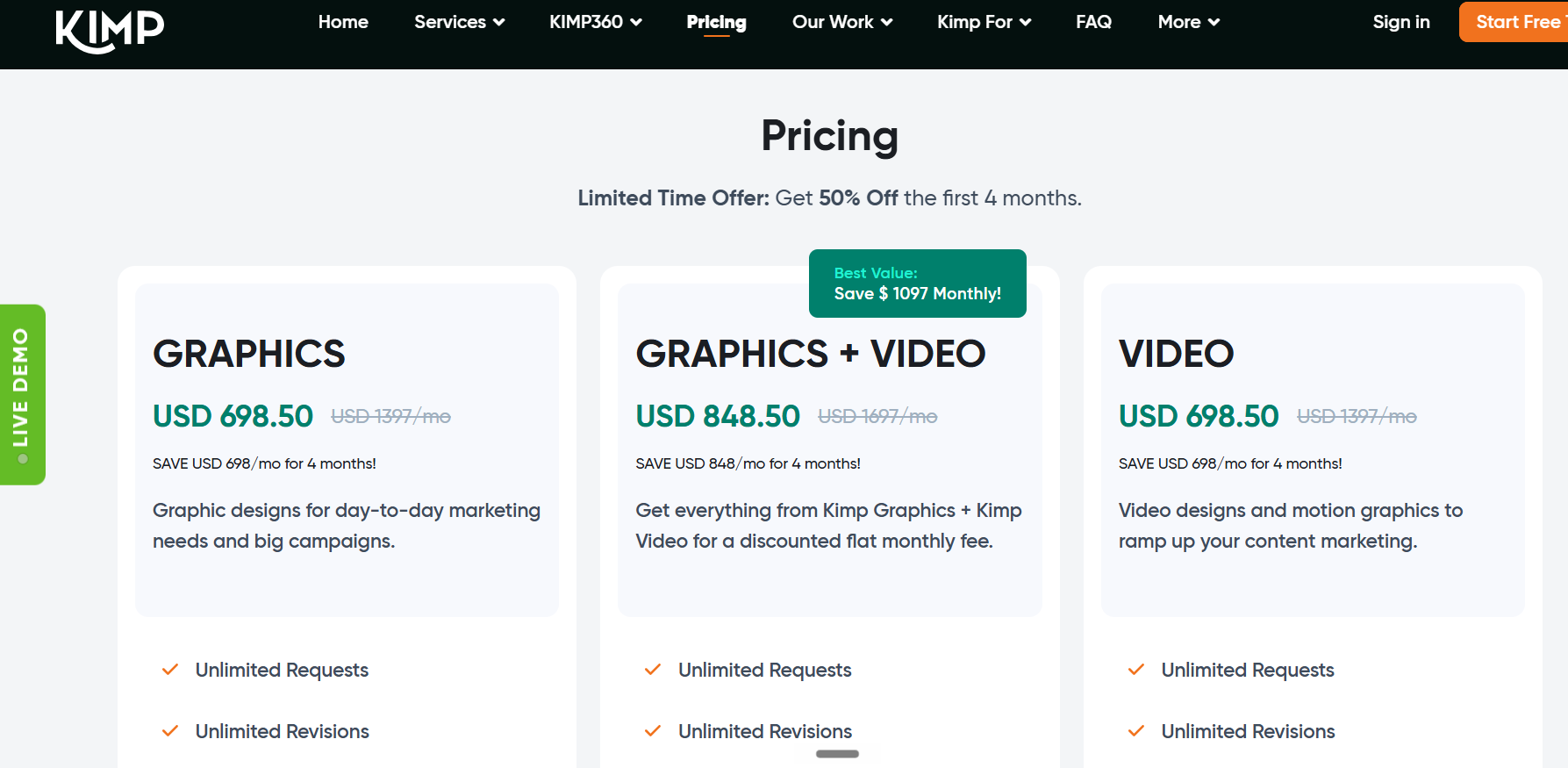
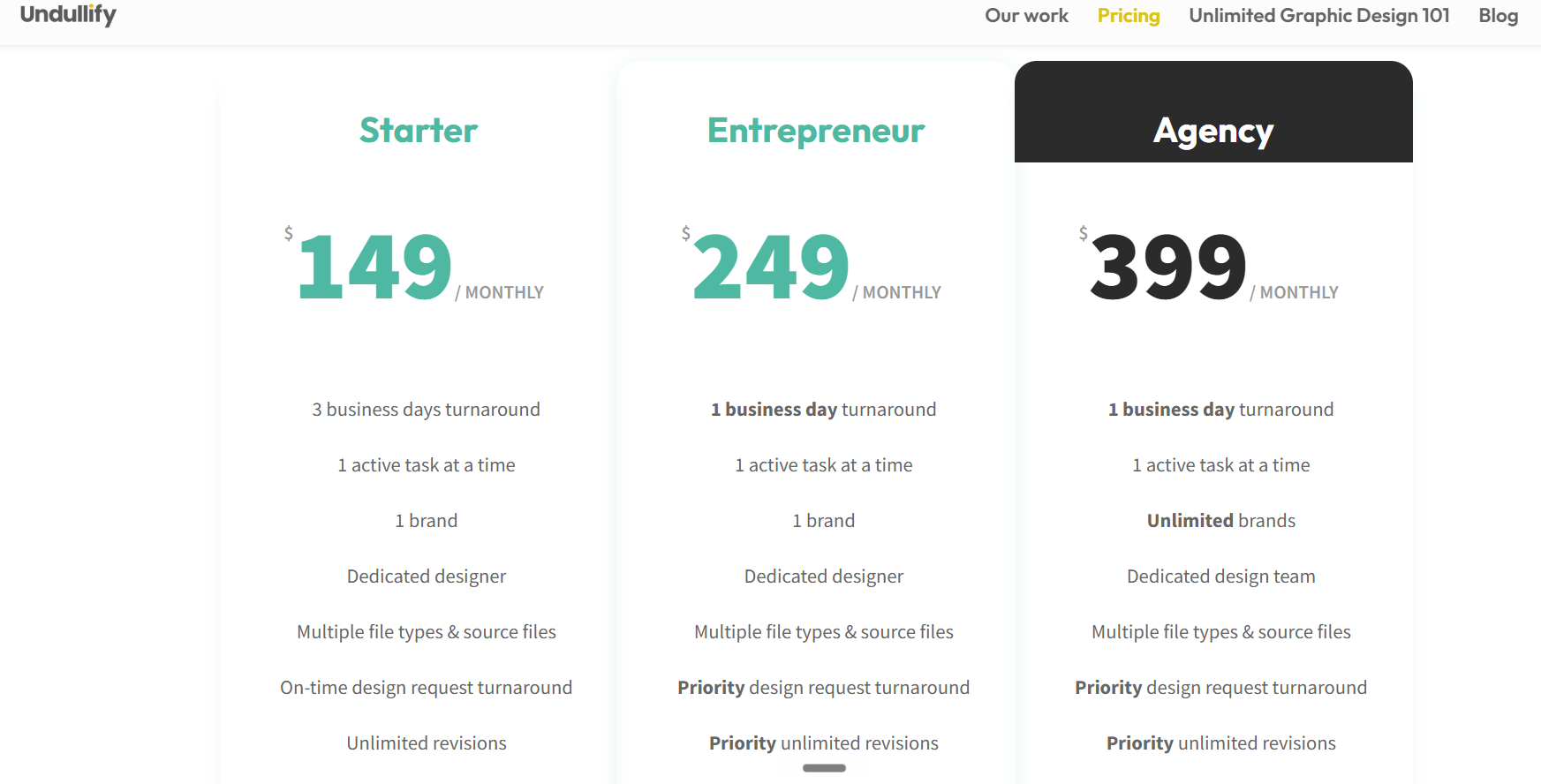
Here's the full set at a glance, then the detail on each, category by category.
This is the category that made the model famous, and it's the cleanest expression of flat-rate unlimited pricing: one monthly fee, submit as many requests as you want, and the team works on them one at a time.
Brett Williams charges $4,995 a month for unlimited design, runs it solo, and delivers in an average of 48 hours, one request at a time.
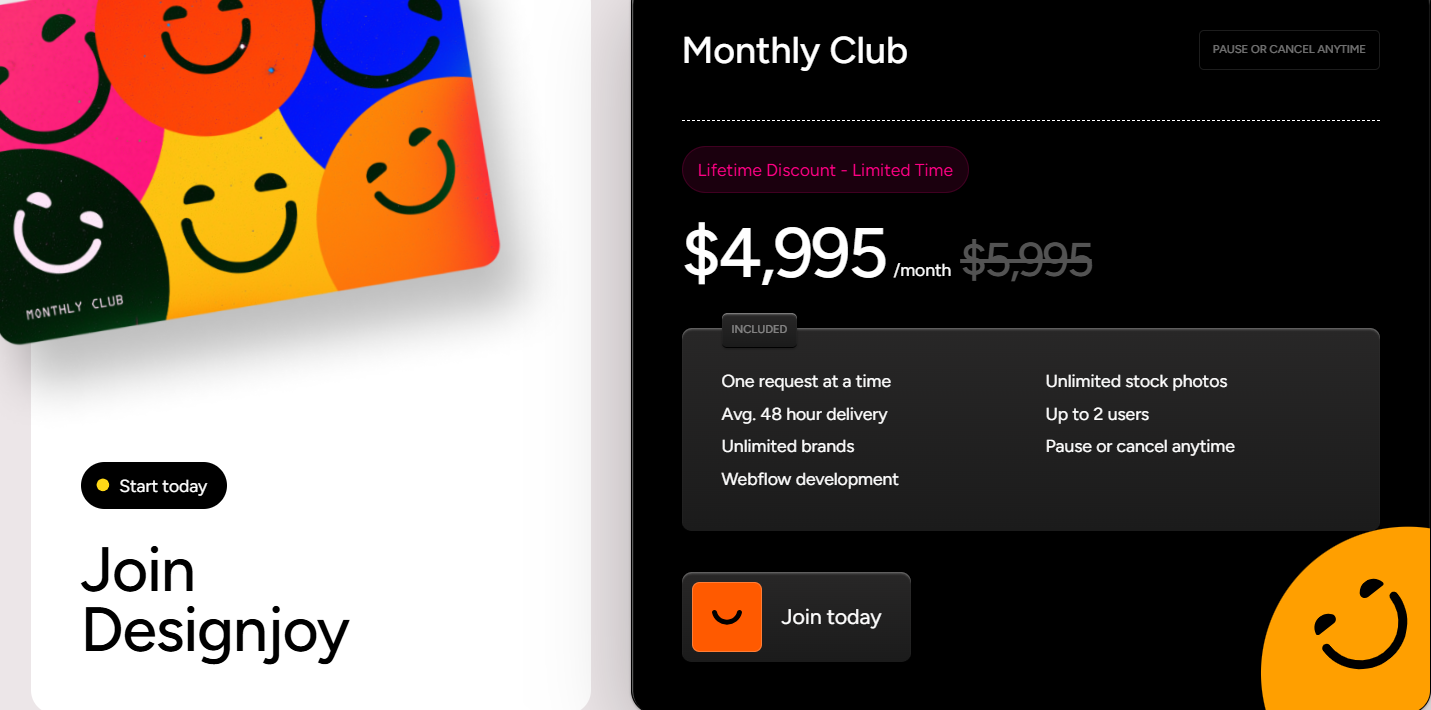
He's told Indie Bites the business does over $130K MRR, and Starter Story pegs it at $1.7M ARR, all with no employees. The catch is that it only works because Williams controls scope ruthlessly. If you copy that price without the discipline, you may drown.
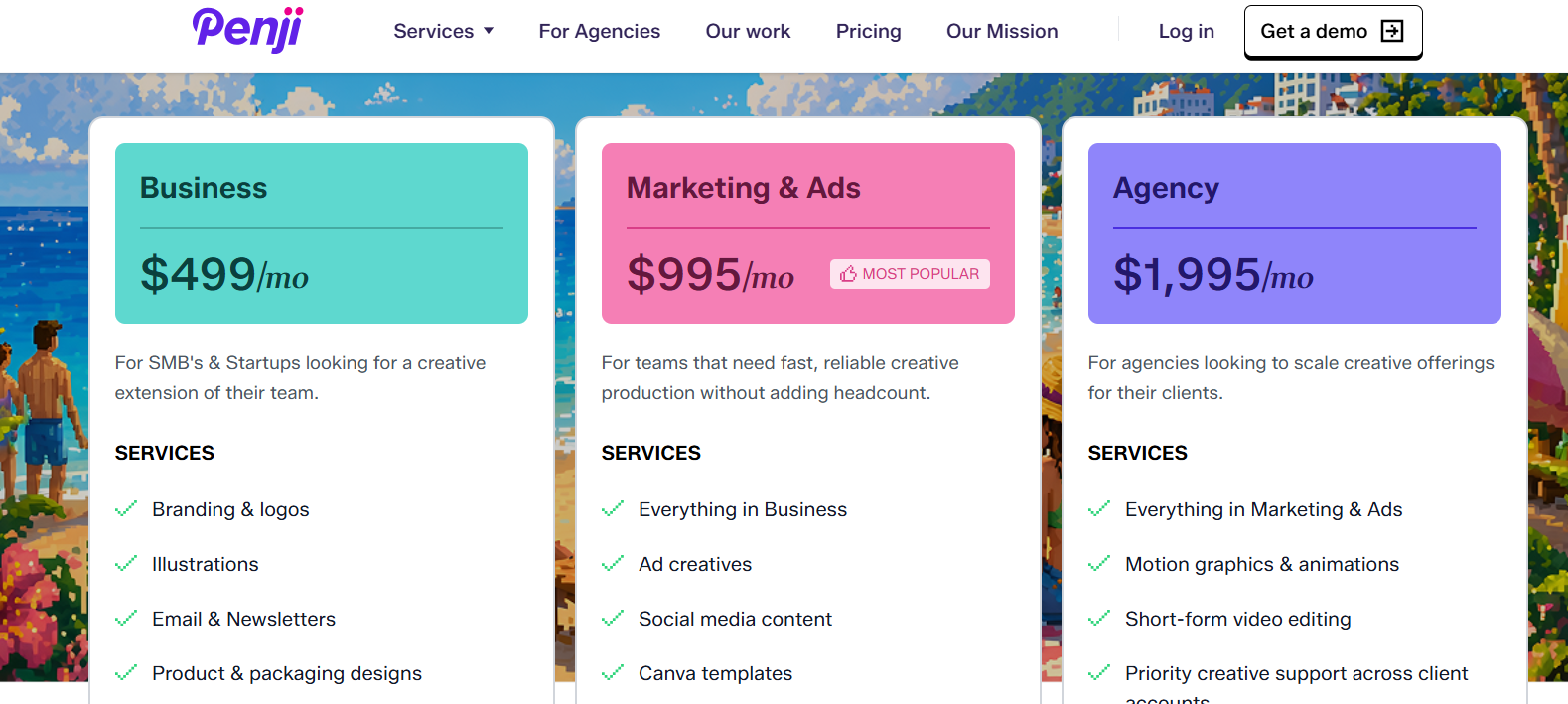
Penji’s tiers run $499/month (one project at a time), $995/month (two active), and $1,995/month for the Agency plan with a dedicated team and 3 active workstream. Every plan moves through a queue with art-director review, so quality doesn't ride on a single freelancer.
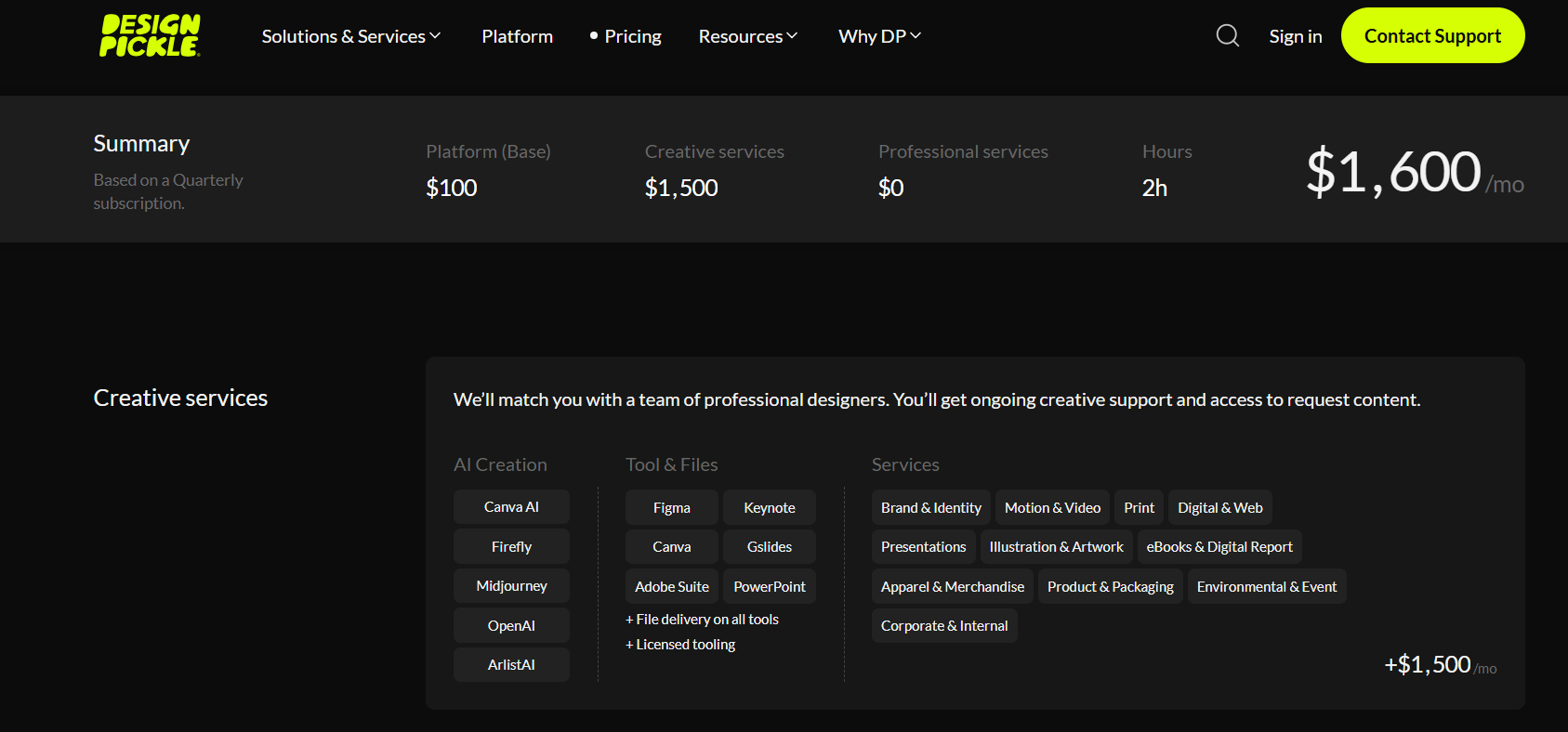
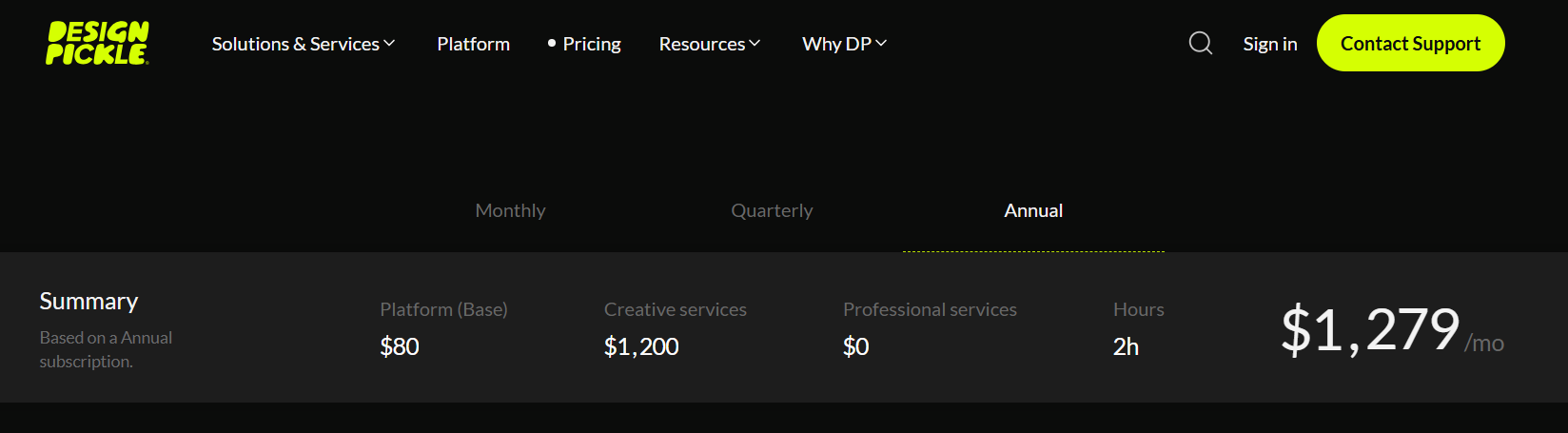
Design Pickle built its name on a $499 entry point, but it now runs a custom calculator priced on creative hours and users, where a base configuration lands around $1,279/month, annually. The model is a dedicated designer working a set number of hours a day rather than a pure request queue.
SEO productizes at the top of the price range, because the deliverable is ongoing and the results compound. The model here is the high-ticket monthly retainer with fixed deliverables (a set number of links, content pieces, or audits, plus reporting tied to what shipped).
uSERP a link-building and SEO agency that states pricing of "$10,000 to $15,000+ per month," with a three-month initial commitment, then month-to-month.
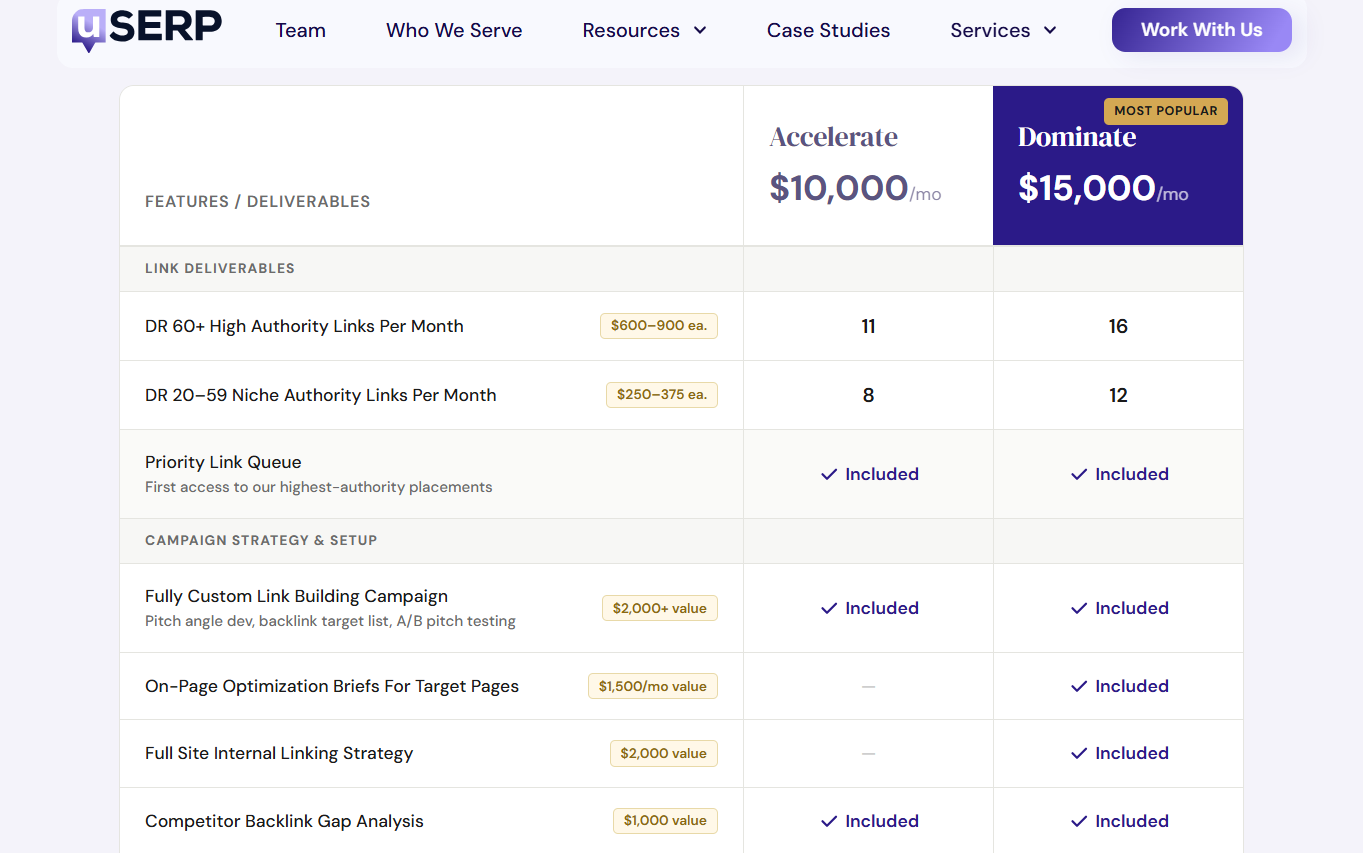
What makes the retainer defensible is that uSERP reports a 77.84% organic traffic lift for Monday.com, a #1 ranking for Nav that it ties to $140,000 a month in pipeline, and 314% organic growth for Remote. These are vendor-reported numbers, closer to case studies than independent fact, but the names on that list are real, and they're not small.
The operational tell in productized SEO is recurring intake. Every campaign needs a fresh brief (target keywords, pages, assets), and the reporting has to map back to the deliverables the client paid for.
And that's the exact place a generic project tool falls down. It tracks tasks, but it doesn't track your retainers, and it can't tie a monthly report to a billing cycle. A purpose-built client portal for agencies, like ManyRequests, handles both in one place.
Content and video agencies productize in two ways, and they price very differently. Written content tends to go usage-based while video content tends to go fractional-retainer.
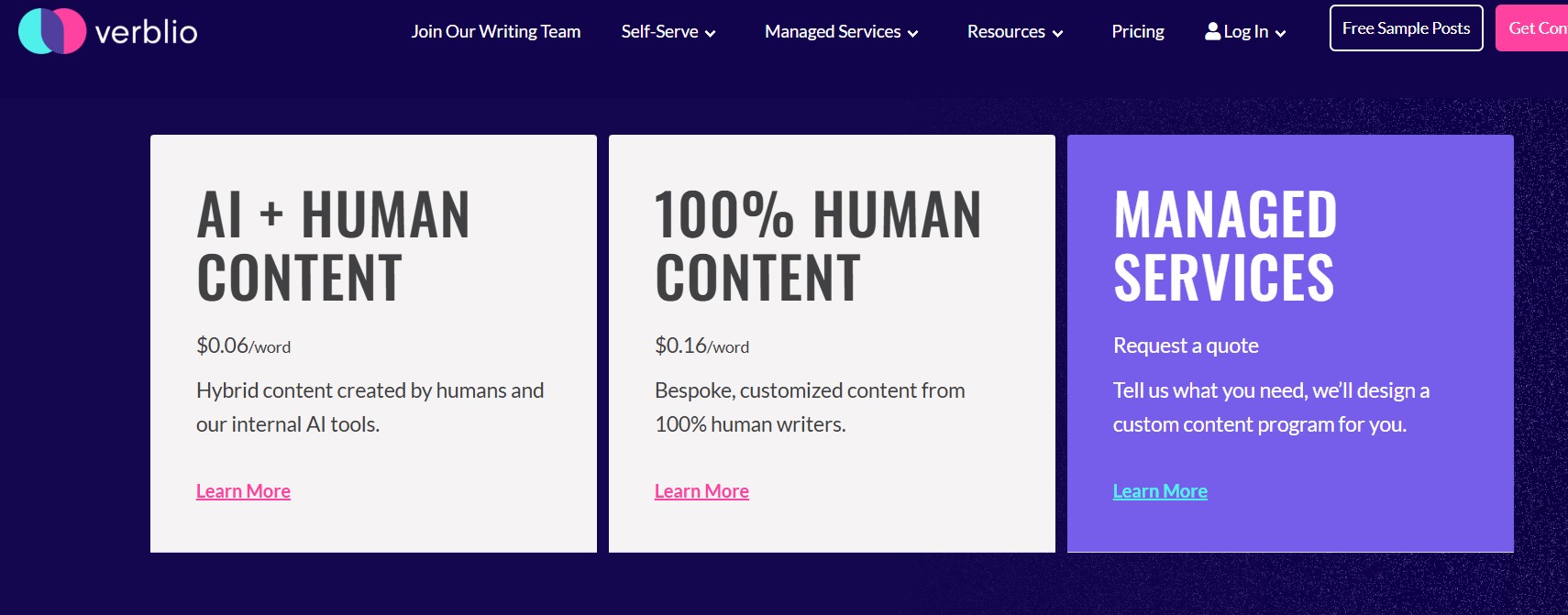
Verblio runs the usage model: $0.06/word for AI-plus-human content (with a $49.50 monthly platform fee) or $0.16/word for fully human writing, with no monthly minimum. You buy words, you get drafts in one to four days. It's productized because the scope is a unit.
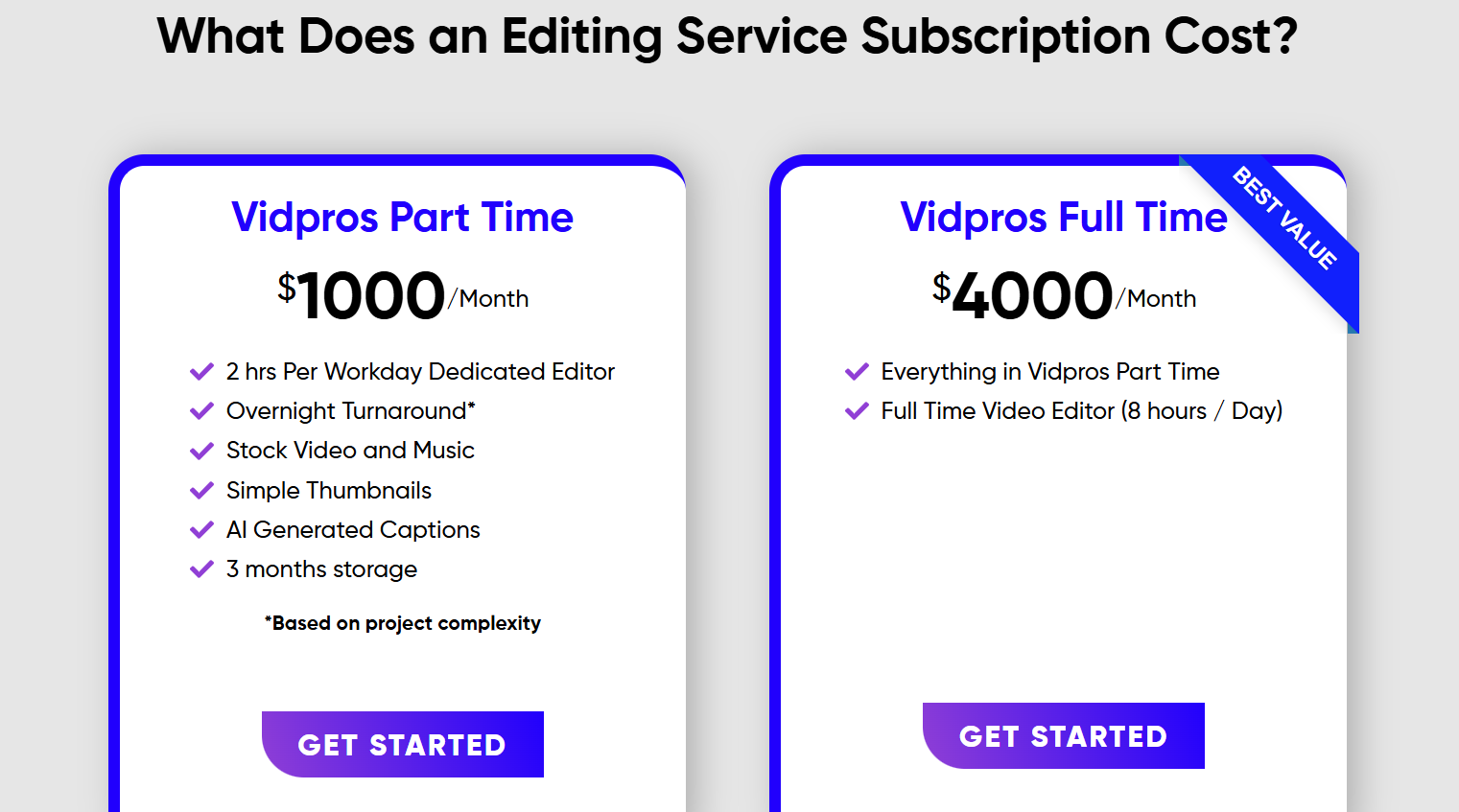
Vidpros shows the fractional version for video. It sells a dedicated editor at $1,000/month (about 40 hours) or $4,000/month (full-time, about 160 hours), both roughly $25/hour, month-to-month. The mechanism that makes it work is that Vidpros takes no more than four clients per editor, with at least two hours of editing a day guaranteed per client. That cap is what protects turnaround.
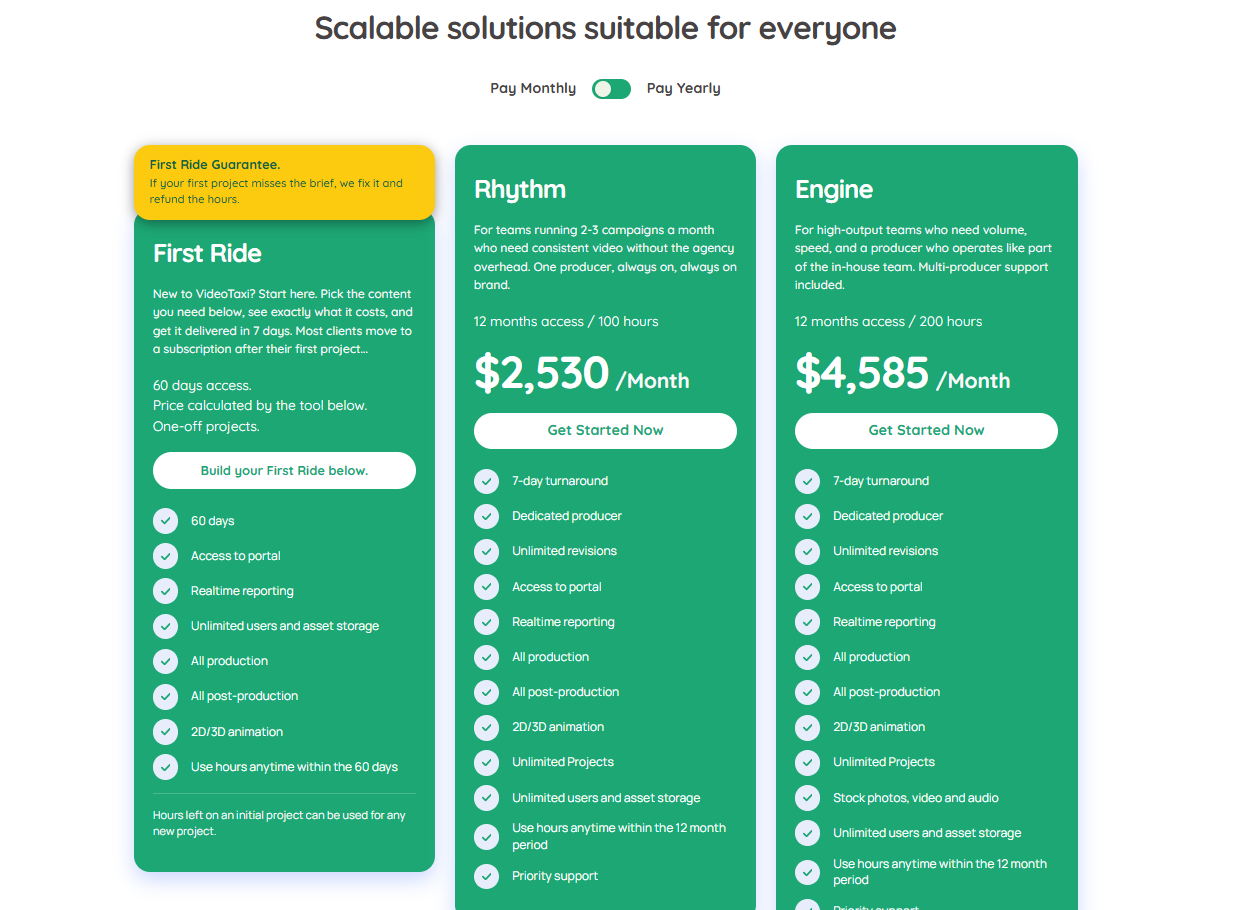
VideoTaxi, one of ManyRequests’s customers, runs an hours-bank subscription: you get a set number of production hours and spend them across video, motion, or photography as your priorities shift.
Web development splits into two productized shapes: the one-time fixed-scope fix, and the ongoing build-and-maintain subscription.
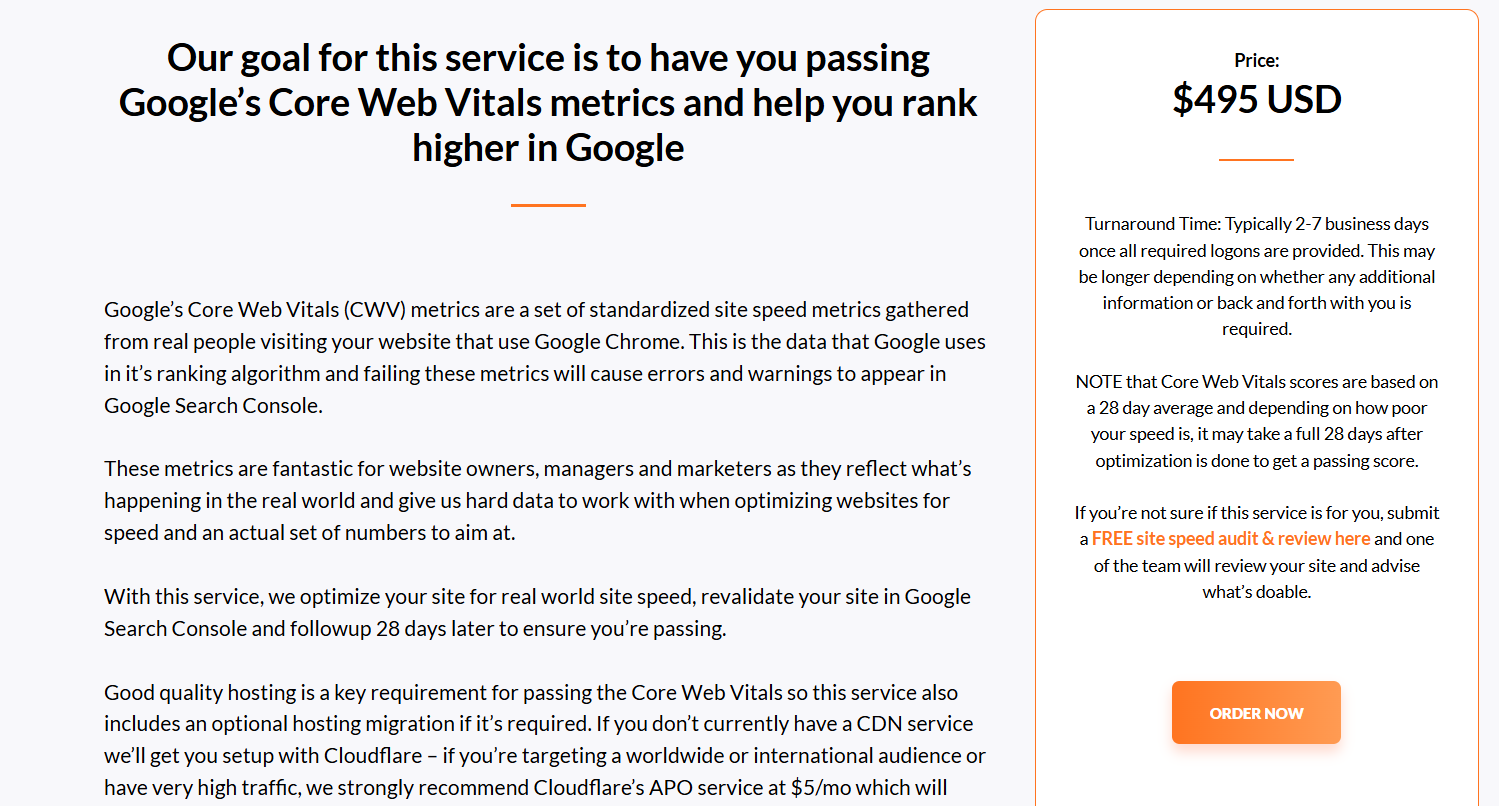
WP Speed Fix sells WordPress speed optimization, as a one-time job with defined pricing and a free audit upfront, and it has done that since 2016. WP speed Fix standardized its tools around a single repeatable job, so turnaround stays fast and predictable.
You can also find a perfect subscription example with Flowout.
Flowout productized its Webflow work into a full menu: standalone plans for development, design, copywriting, SEO, and CRO, plus 25-, 50-, and 100-hour packages.
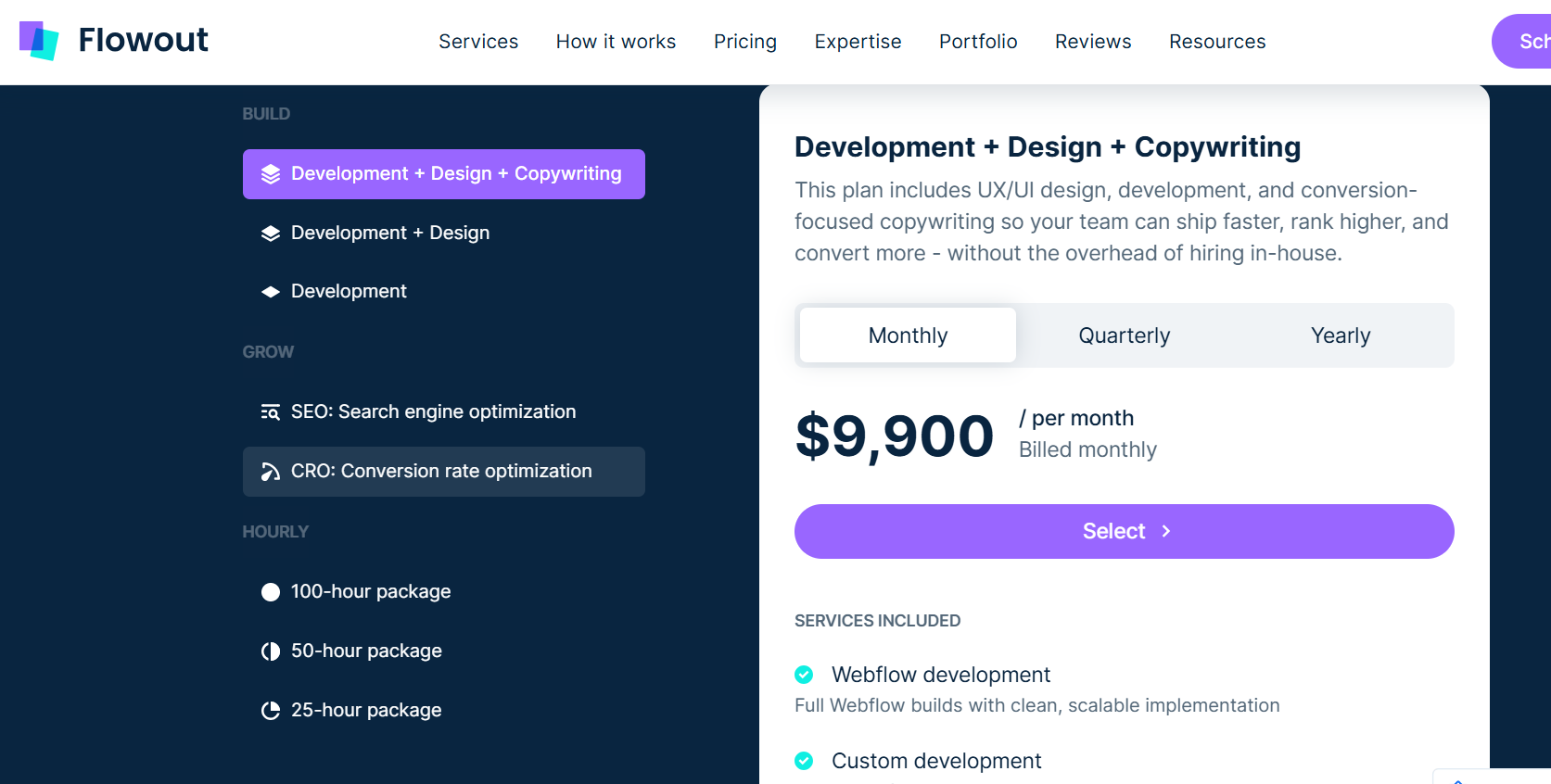
Its Development + Design + Copywriting plan runs $9,900/month billed monthly, dropping to $7,900/month on an annual term, with add-ons like a second developer at $3,900/month. That catalog helped the 20-plus-person agency reach $1M+ ARR in under two years with clients like Sequoia and Jasper.ai.
Luka Mlakar, Flowout’s founder, says "We've grown our business to $1M ARR in less than two years and started our agency with ManyRequests." That range only works if a quick copy tweak and a full landing-page build run through the same queue, each with its own turnaround. Otherwise the small jobs are the ones that slip.
Marketing retainers are the hardest to productize cleanly, which is exactly why the ones that pull it off stand out. The model is a flat monthly fee for a defined list of deliverables, with reporting as a fixed part of the package.
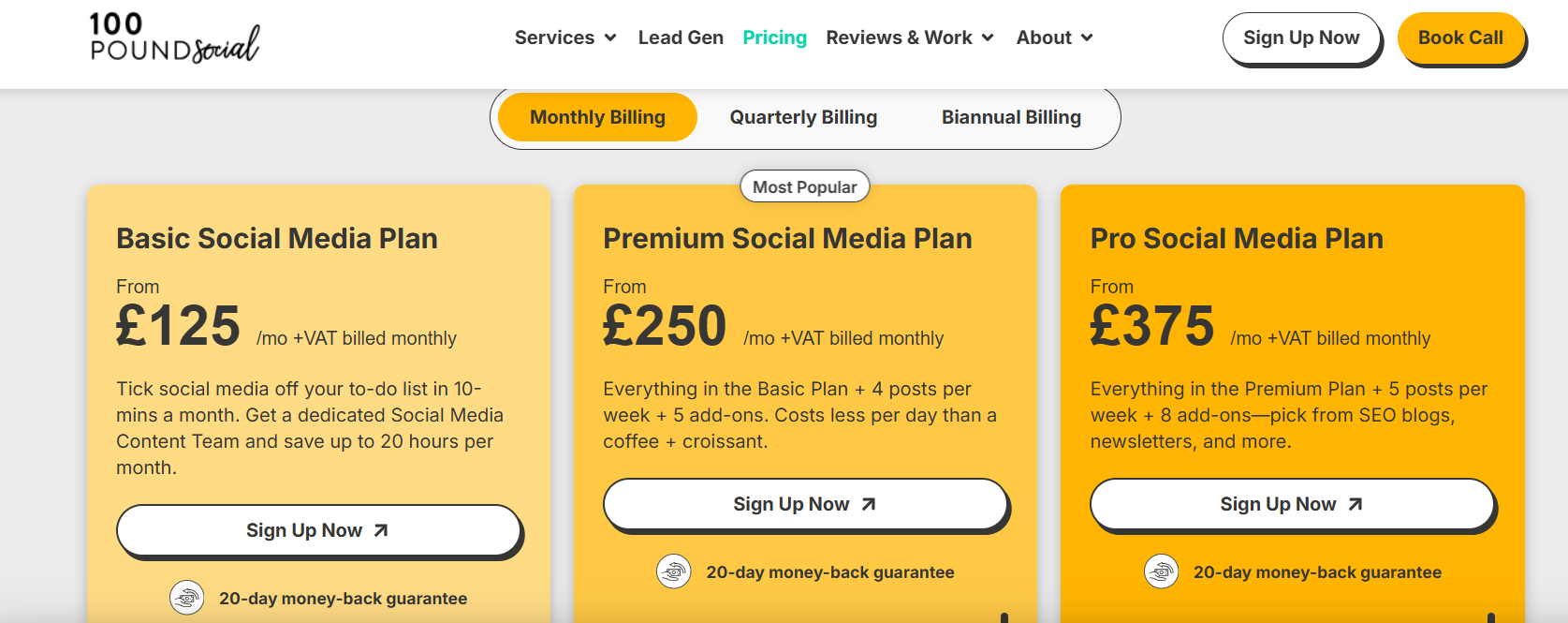
100 Pound Social productizes at the accessible end: social posting plans from £125 to £375 a month, sorted by output (three, four, or five unique posts a week across two platforms), plus add-ons like blog writing from £125/month. The price is low and the scope is rigid, and that rigidity is the point, it's what lets the agency run thousands of accounts without custom work per client.
HeyDesign shows the higher-touch version on ManyRequests. It runs an ad-creative subscription for SaaS brands like Posthog, Hotjar, and Pitch, with three published tiers:
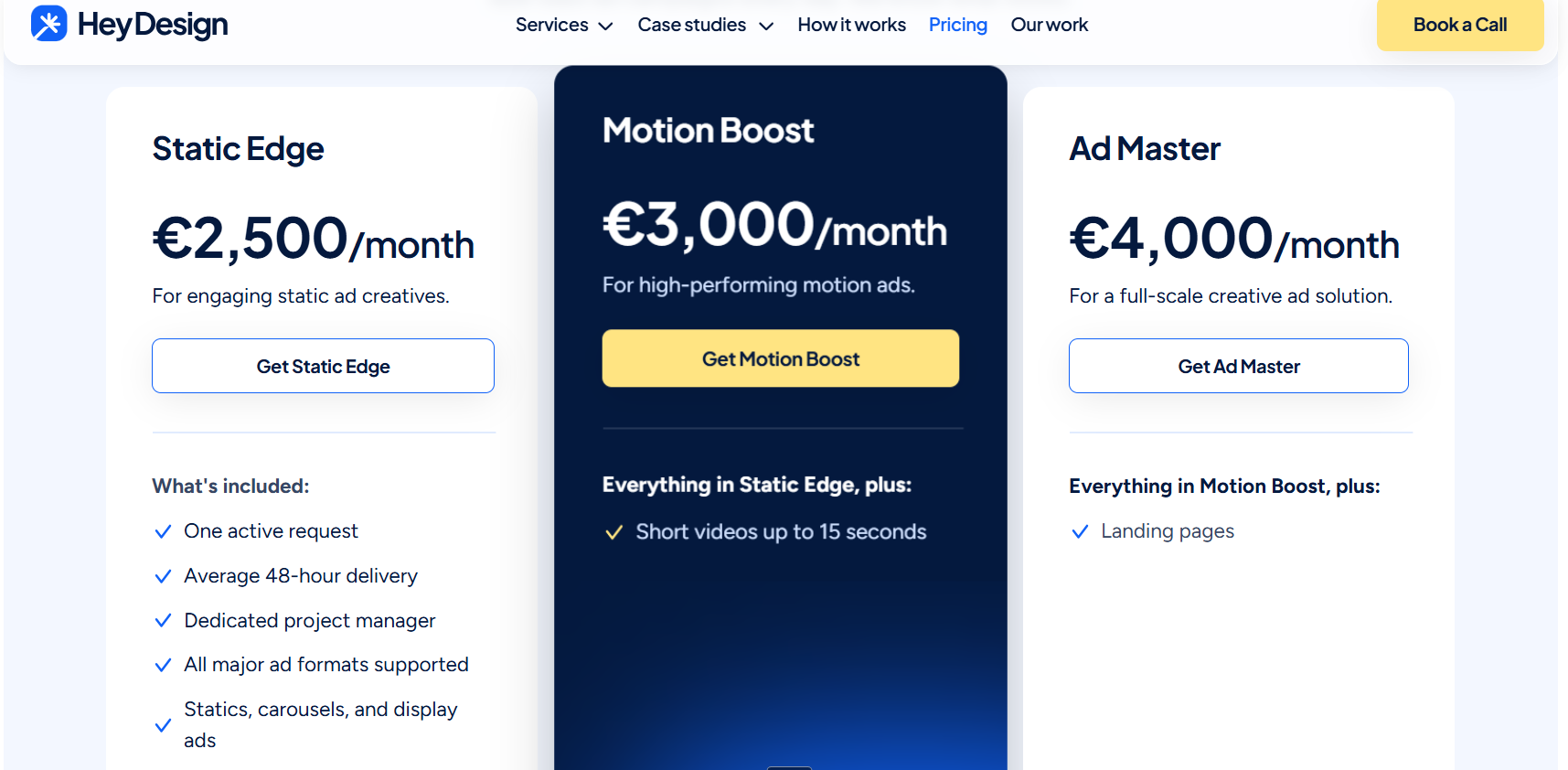
Each plan runs one active request, averages 48-hour delivery, and lets clients pause or cancel anytime, so there's no need for a sales call.
What operations team lead Gabriella Brigando needs is visibility: "a clear overview of design tasks being worked on and designer capacity so we can delegate new requests." HeyDesign gets it by collecting every brief upfront and auto-assigning it to a project manager and designer, so new work routes itself instead of waiting on someone to hand it out.
The mechanism is the same with every marketing retainer, you have a fixed list of deliverables and you have structured intake for every project.
Brand work feels like the least productize-able service of all, since it's supposed to be bespoke. The agencies that productize it do so by fixing the scope and the timeline, then charging a flat project price, often followed by a maintenance retainer.
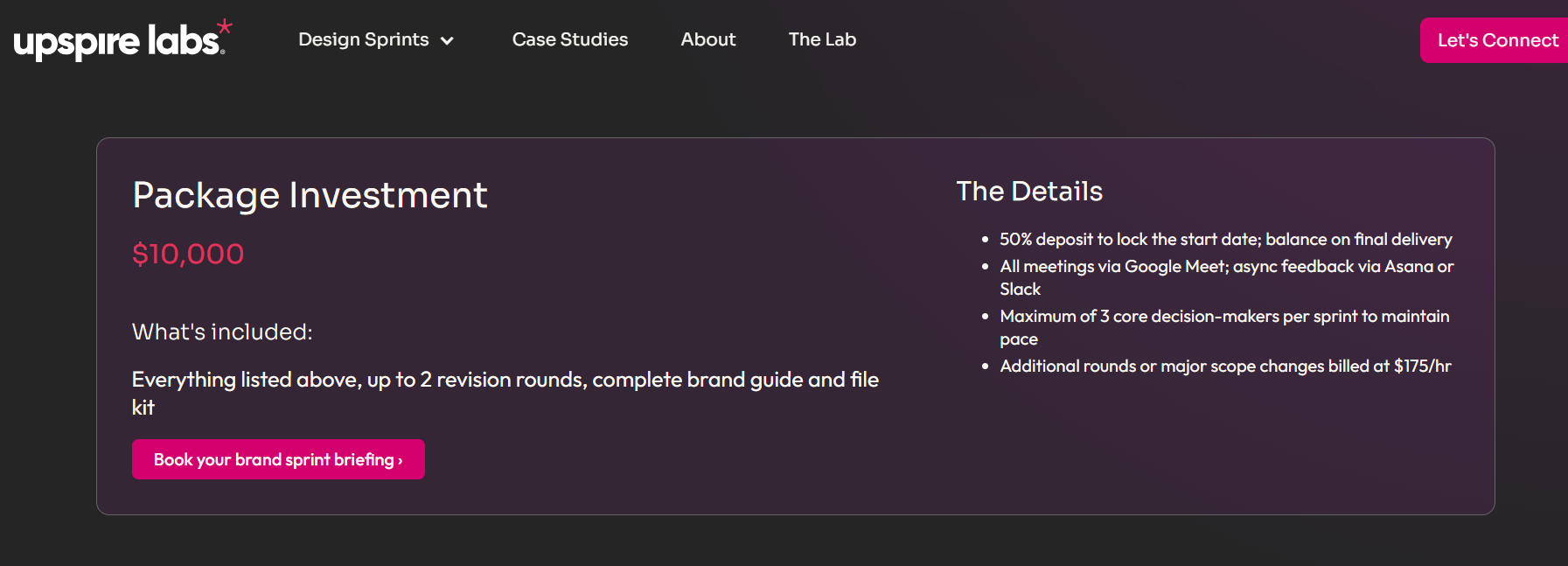
Upspire Labs runs a brand sprint at $10,000, delivered in 10 working days.
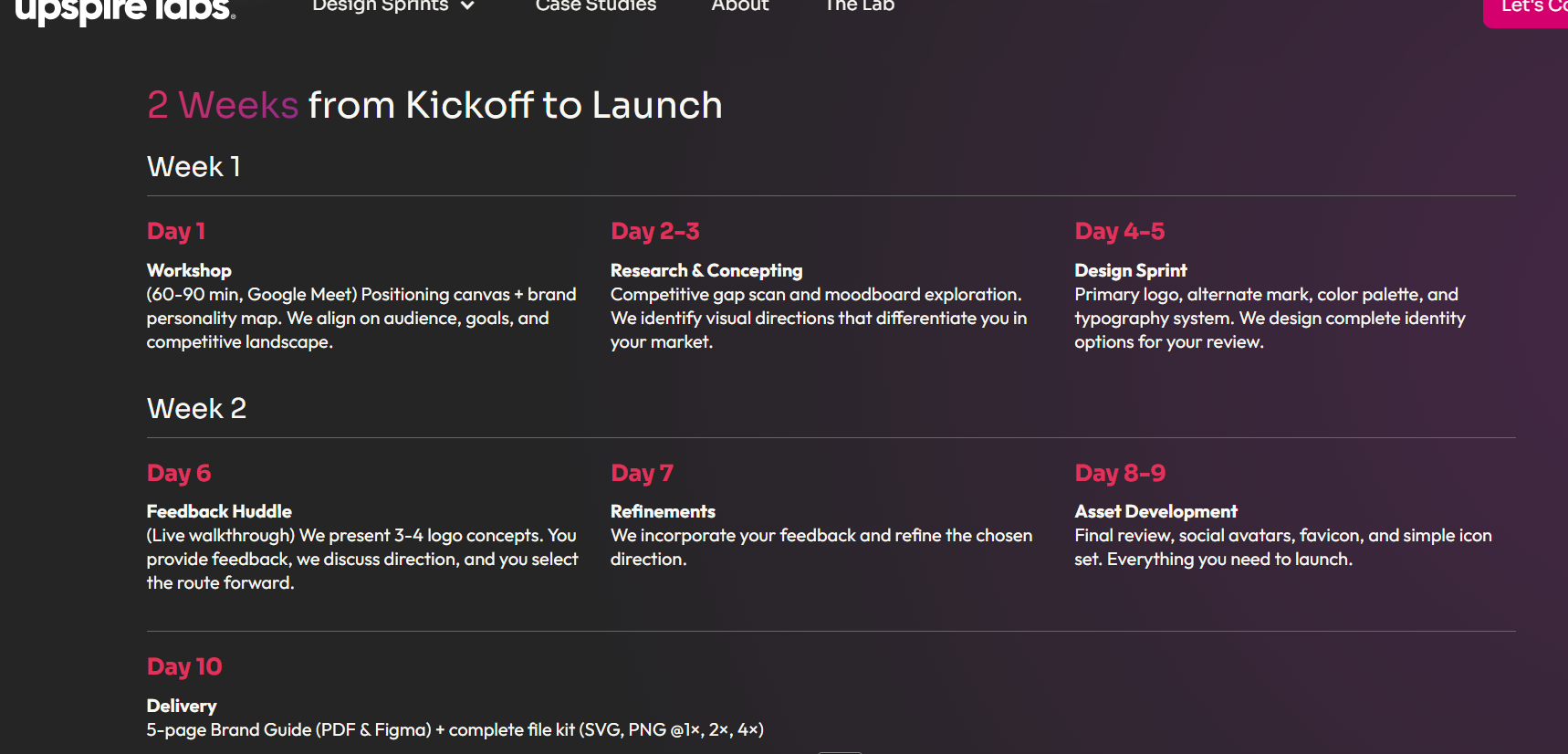
The scope is locked: a messaging foundation, a logo system, a six-color palette, a three-font typography system, and a full brand kit, with up to two revision rounds and anything beyond billed at $175/hour.
That fixed scope plus fixed timeline is what turns a famously open-ended service into a product a seed-stage startup can buy with confidence.
55 KNOTS, the creative studio founded by ex-eBay creative director Benjamin Williams, shows how far productization can go. It turned its creative work into a self-serve product ladder:
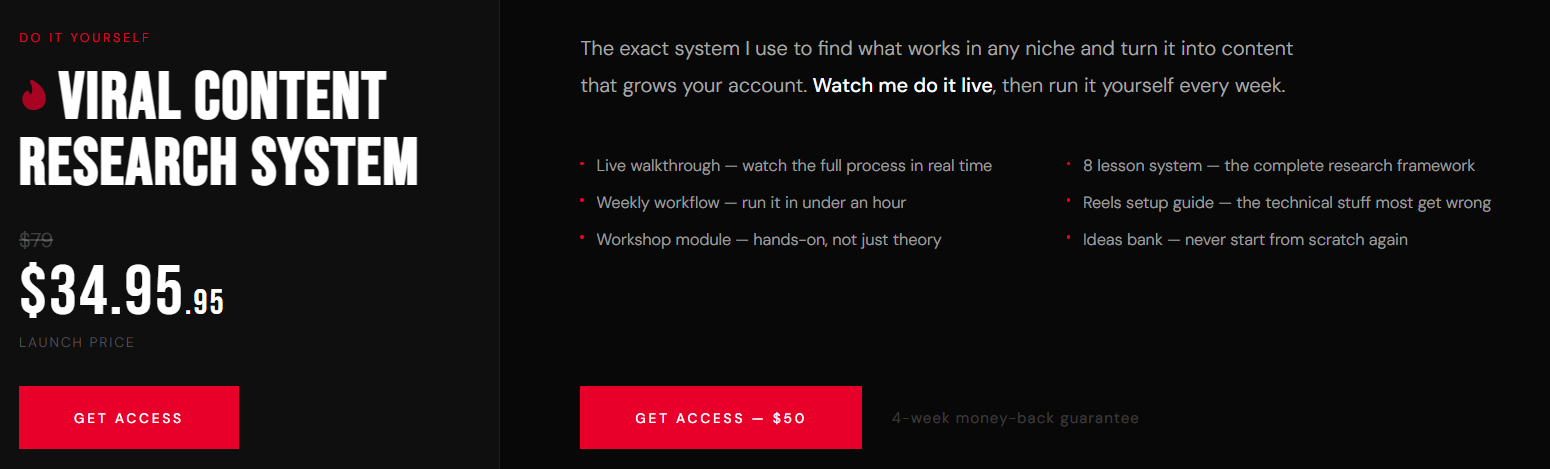
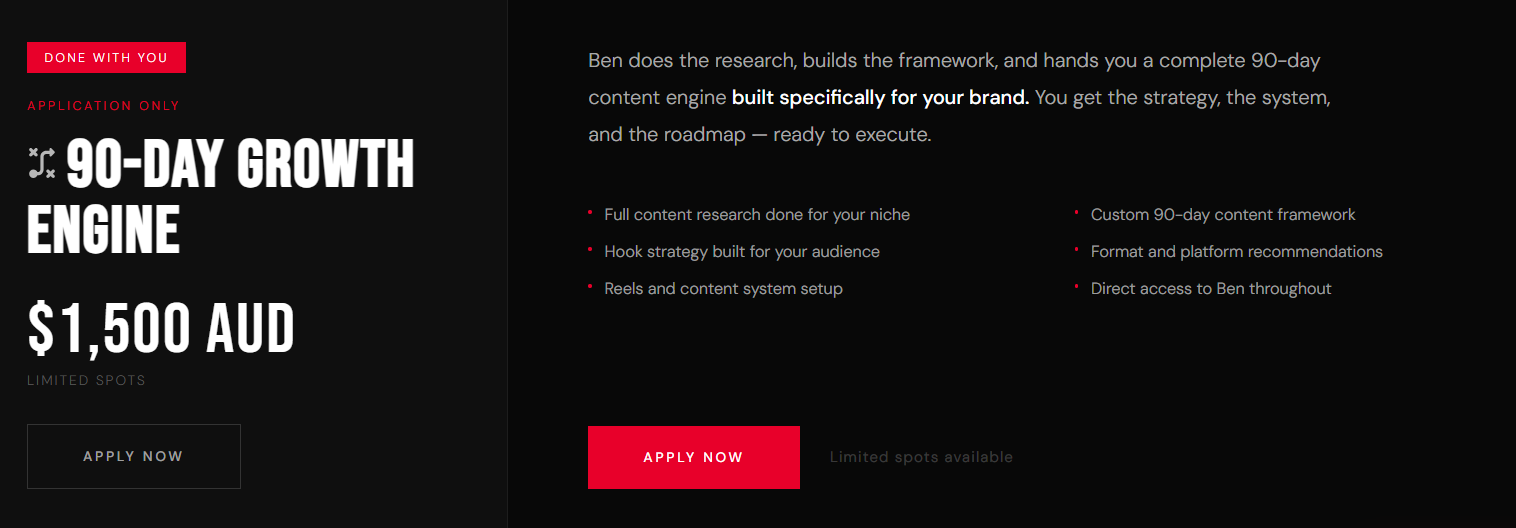

Williams has run the operational side on ManyRequests for years: "They are the backbone of our business. We can manage clients, team, payments, timelines, projects." The pattern in productized creative: scope every rung in advance, price each one clearly, and let clients buy exactly the level of help they want without a call.
Strip away what they sell and what they charge, and the same operating system is running underneath all 13. I call it the productized backbone, and it has four parts.
Every agency above collects work through a form that tells the client to give complete requirements before anything starts. HeyDesign, MGS Global, and DesignGuru all credit upfront briefs as the thing that stopped revision loops.
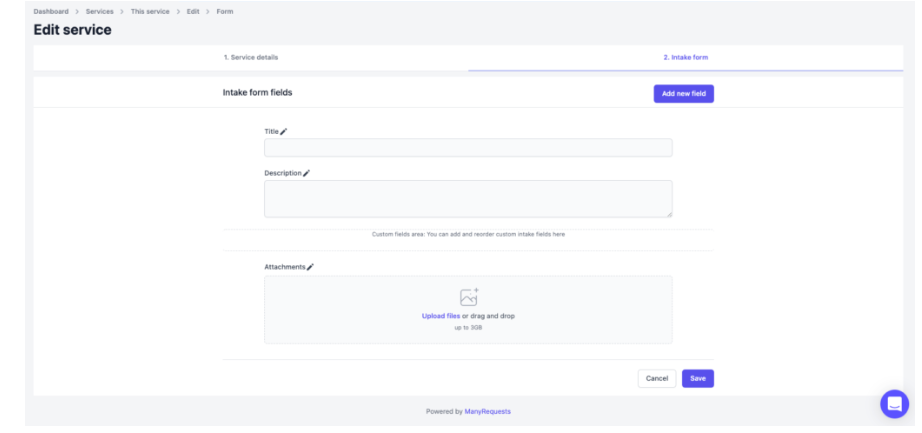
ManyRequests builds this as request intake forms with conditional logic, so a brief only asks the fields that matter for that service type, and an incomplete request never enters the queue.
These agencies provide a client portal where their clients check status themselves instead of emailing them for updates.
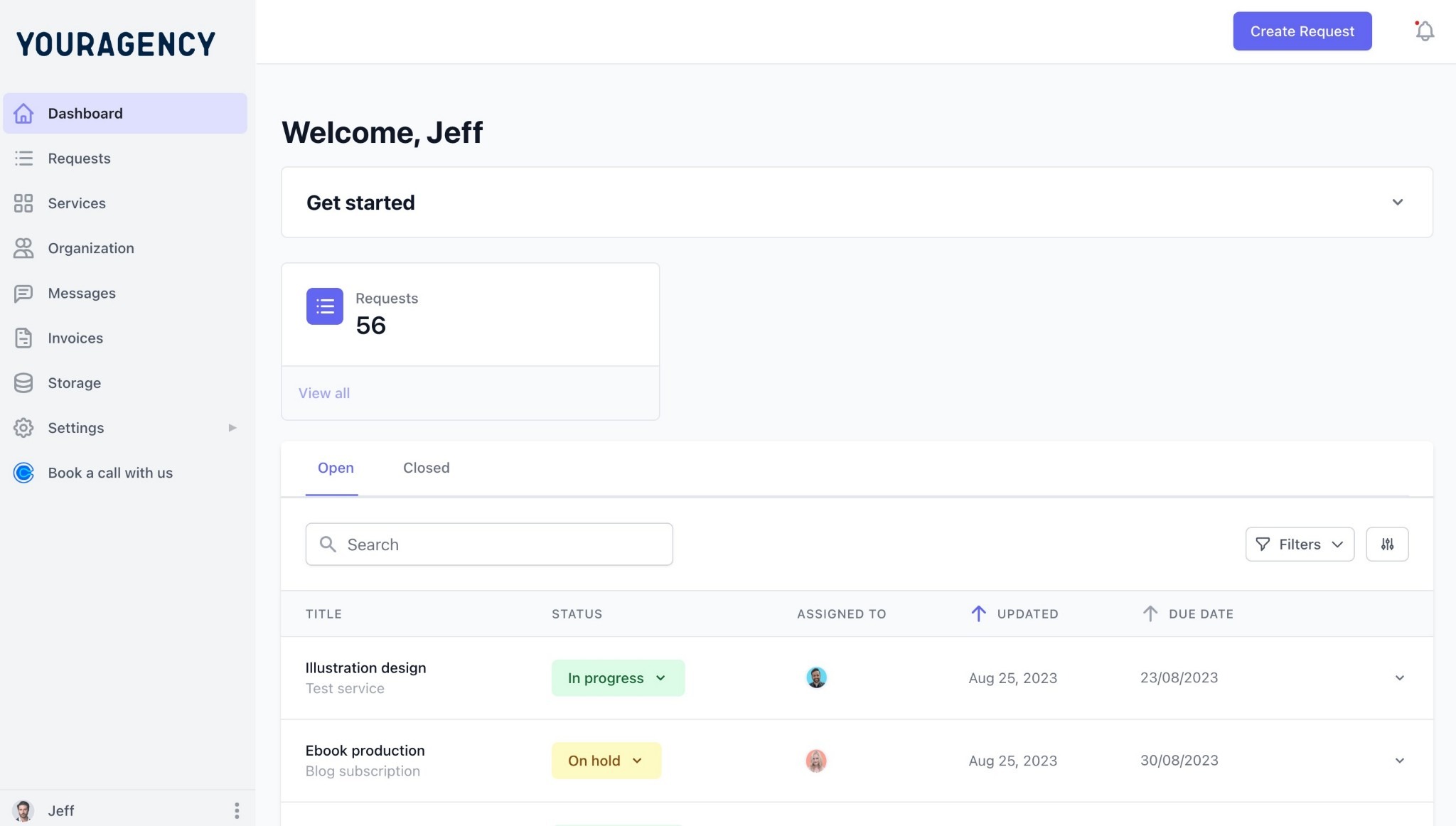
Designjoy, Penji, and Flowout all run client-facing portals under their own brand. ManyRequests gives you a white-label client portal on a custom domain, which is what lets even a one-person shop feel like a software company to its clients.
Recurring revenue is built into the model from day one, and the agencies that scale can see profit per client, not just total revenue. VideoTaxi recovered 20+ hours a month once time tracking made profitability visible.
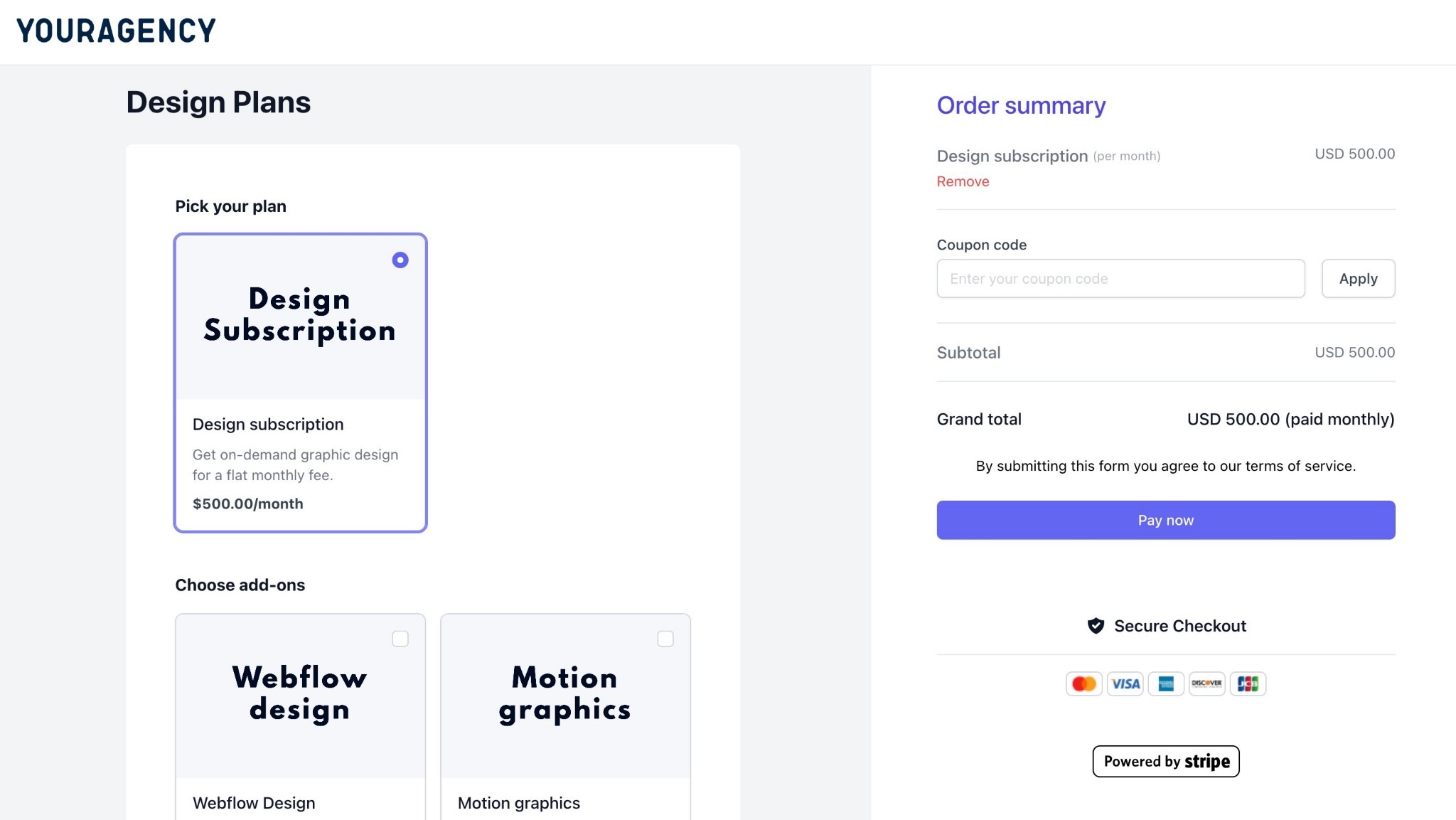
ManyRequests runs native subscription billing through Stripe with subscription pause and resume, so a client can upgrade, downgrade, or pause their plan, and you don't have to manually process every renewal.
The same workflow runs for every client, every month (brief in, work assigned, proofed, delivered, billed, renewed). That repeatability is what lets you add the eleventh client without having to add an admin or a new team member.
ManyRequests ties the service catalog, the checkout page, the queue, and design proofing into one flow, so the system does the connecting instead of your team.
You should also know that none of those four are the service. A designer, an SEO, and a brand strategist sell completely different work, but they run the identical backbone.
That's why more than 1,800 agencies across 25+ countries run on ManyRequests and have paid out over $200M through it: the infrastructure is the same whether you're charging $49 or $25,000.
If you're piecing that backbone together from separate tools right now, ManyRequests runs all four in one place, and the done-for-you migration moves your existing clients, requests, and files over in under a week. You can start a free trial and rebuild your delivery on it before your next billing cycle.
You've seen the model working at six different price points. Here's the five-step version to build your own, in the order that works.
We deliver (predefined deliverable) for (predefined client), solving (predefined problem), in (predefined timeframe), for (predefined price).
For example, you can say: "We deliver unlimited Webflow edits and builds for funded SaaS startups, solving slow dev turnaround, with a 2-day SLA, for $2,750/month." For more on setting the number, see agency pricing models.
This is the step most people skip, and it's the one that prevents scope creep. Make the form mandatory, and ensure that tasks that arrive outside it don't enter the queue.
For the deeper build, the full productized service guide walks through each stage. The service you offer matters as much creating a system that can help you sell those services, and also help with execution and delivery. ManyRequests was built to solve this problem. You can sign up for a 14-day free trial to set up your services and try out your workflow on the system to know if it's a good fit for you.
Designjoy is the best-known one: a solo design subscription charging $4,995/month for unlimited requests handled one at a time, with $130K+ in monthly recurring revenue. Other clear examples include Penji (tiered design subscriptions from $499/month), uSERP (SEO retainers from $5,000/month), and Upspire Labs (a $10,000 fixed-scope brand sprint).
They sell fixed-scope packages at set prices, usually on a recurring subscription or retainer, so revenue is predictable and margin is protected by scope limits. .
Anything repeatable with a defined deliverable: graphic design, video editing, SEO, content writing, social media management, WordPress maintenance, and brand sprints all productize well. The test is whether the work repeats across at least five to seven clients without heavy customization, if it does, you can package it.
Pick one service you can deliver consistently, define its exact scope, and package it into one or two fixed-price tiers. Then build a structured intake form and a client portal with subscription billing, and deliver to three clients before scaling.
Agencies usually start with a stack of separate tools (a project manager, Stripe, a form builder, and email), then consolidate onto a purpose-built platform as they scale. ManyRequests is built specifically for this model, combining a white-label client portal, request intake forms, a service catalog, and native subscription billing in one system, which removes the seams between the tools.
1. See how ManyRequests works in real life. Start a free trial and experience how productized agencies centralize requests, reduce chaos, and streamline delivery, without changing their entire workflow.
2. Read our Implementation Guide to launch smoothly with your team and clients.
3. Follow us on LinkedIn and YouTube for practical agency growth strategies
4. Check out The Productize Blueprint to learn how to turn your services into a scalable, productized offer.
Adetola Rachael Iyanuoluwa is a B2B SaaS writer and content marketer with 4+ years of experience creating SEO, human-focused content. She writes in-depth how-to guides and comparison articles content that help SaaS companies grow organic traffic and turn readers into customers. At ManyRequests, she produces practical, well-researched content that helps agencies and service businesses streamline operations and scale sustainably.